

Products

Cryogenic Ball Valve
What is Cryogenic Ball Valve
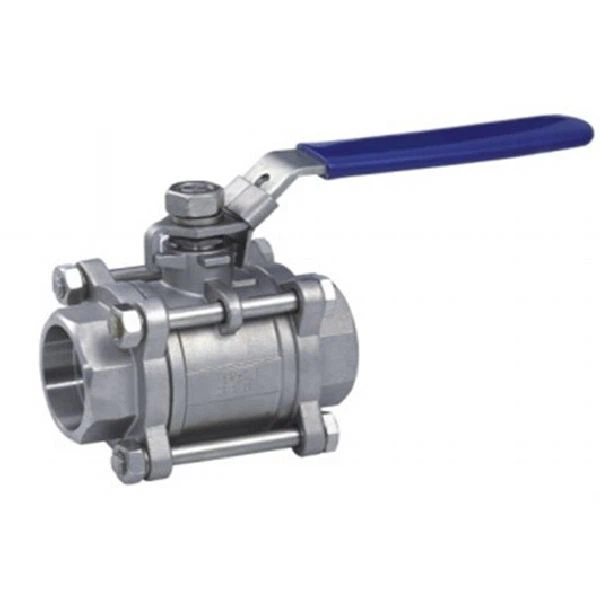
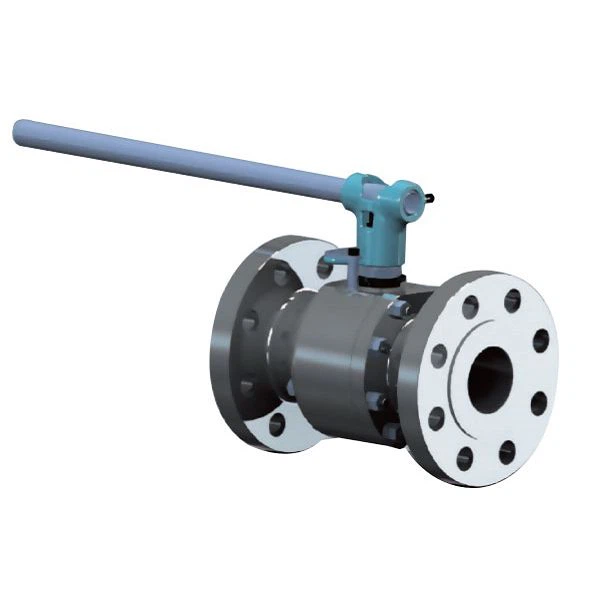
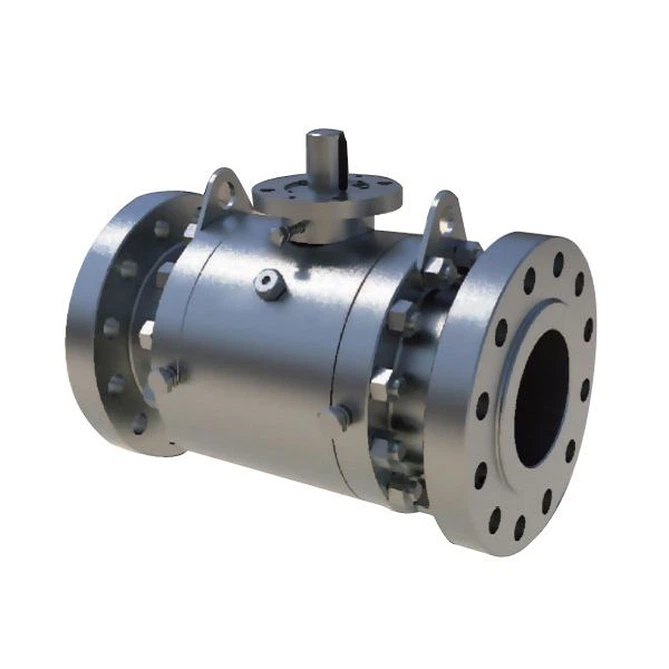
Cryogenic ball valves are manufactured specifically for extremely low and cryogenic applications. The valve is designed with an integral bonnet extension that prevents cryogenic liquids from reaching the stem packing by causing the liquid to boil and convert to gas. This minimizes energy loss along the extension and prevents valve failure. The valve's structural integrity minimizes thermal deformation of internal components caused by temperature changes, ensuring the highest performance levels for tight shutoff in critical LNG areas.
why choose us
Advanced equipment
A machine, tool or instrument designed with advanced technology and functionality to perform highly specific tasks with greater precision, efficiency and reliability.
Rich production experience
We have a wide range of expertise and experience, from design and innovation to marketing and sales. This enables us to offer a suite of products and services tailored to meet each customer's unique needs.
One-stop solution
We can offer a range of services, from consultation and advice to product design and delivery. It is a convenience for the customers, as they can get all the help they need in one place.
After-sales service
Our terms of work have always been fixed within the work process and one can be assured about the guarantee of the work as we are there 24/7 business hours during the time your project is being worked is on.




Advantages of Cryogenic Ball Valve
High performance
Cryogenic ball valves are known for their precise and reliable performance even at low temperatures. They offer tight shut-off, smooth operation, and durability even in demanding conditions.
Corrosion resistance
Cryogenic ball valves are made of high-quality materials that offer excellent resistance to corrosion and erosion. This ensures that they can last for a long time even in harsh environments.
Low maintenance
These valves require minimal maintenance due to their durable design and high-quality materials. They can operate effectively for extended periods without significant wear or damage.
Safety
Cryogenic ball valve designs are engineered to prioritize safety. They are equipped with safety features like emergency shut-off, fire-safe design, and anti-static devices that keep the system safe for people and the environment.
Maintenance Tips for Cryogenic Ball Valve
Insulation:Cryogenic ball valves are designed to operate at extremely low temperatures. Proper insulation can help to maintain the temperature and prevent ice buildup on the valve. Good insulation can also improve the efficiency and performance of the valve.
Regular inspection:Regular inspection of the cryogenic ball valve is important to identify any potential issues or problems before they become major concerns. Inspect the valve regularly to check for wear and tear, corrosion, leaks and other issues.
Regular iubrication:When it comes to cryogenic ball valves, lubrication is key. It is important to use a high-quality, cryogenic grade lubricant to ensure smooth operation and prevent valve failure. Lubrication should be done regularly, especially if the valve is being used frequently.
Temperature Control:Cryogenic ball valves are designed to operate under extremely low temperatures. Proper temperature control must be maintained to prevent damage to the valve and ensure proper function.
How Can The Lifespan of Cryogenic Ball Valves Be Extended
Proper installation and maintenance
Proper installation and regular maintenance can greatly increase the lifespan of cryogenic ball valves. Regularly scheduled maintenance can help detect and prevent any potential issues before they become major problems.
How can the lifespan of cryogenic ball valves be extended
Proper material selection
Choosing the right material for a cryogenic ball valve is crucial for its longevity. High-quality materials such as high-quality stainless steel, titanium, and alloys that are specifically designed for cryogenic use can greatly prolong a valve's lifespan.


Regular Inspection
Inspecting cyrogenic ball valves regularly can help detect and address any potential issues before they damage the valve. Such inspections can include checking for leaks, corrosion, and proper function.
Proper Storage
When not in use, cryogenic ball valves should be stored properly to prevent any environmental factors from causing damage. Valves should be kept in a dry and clean environment, and lubricants should be used to protect them from corrosion or rust.
Application of Cryogenic Ball Valve

Aerospace industry
Cryogenic ball valves are used in rocket engines and space propulsion systems where they control the flow of cryogenic fuels such as liquid hydrogen and liquid oxygen. These valves must maintain their integrity in extremely low temperatures and high-pressure environments, making their reliability a critical factor in the success of space missions.
Medical industry
Cryogenic ball valves are used in medical gas applications where they regulate the flow of cryogenic gases such as oxygen, nitrogen, and argon. They are widely used in hospitals, research laboratories, and medical gas manufacturing facilities.

Food and beverage industry
Cryogenic ball valves are used in the production and processing of food and beverage products that require low-temperature storage conditions, including ice cream, frozen foods, and beer.
LNG industry
Cryogenic ball valves are commonly used in the storage, transportation, and processing of liquefied natural gas. They are used to control the flow of the gas and to isolate equipment during maintenance.


What is The Working Temperature Range For a Cryogenic Ball Valve
The temperature range that cryogenic ball valves can withstand is from 37°F to -320°F. Each valve has a different temperature range. Cryogenic valves frequently feature lengthy stems. This is so that the valve stem seal may avoid contact with the chilly fluid.
How do Cryogenic Ball Valves Operate at Low Temperatures
Cryogenic ball valves operate at low temperatures through the use of specialized materials and components designed to withstand extreme cold temperatures. Ball valves designed for use with cryogenic fluids have longer stems and bonnets. With this layout, the cryogenic fluid channel is above the stem packing. The extended stem creates a column of insulation. The cold liquid becomes a warm vapor by applying pressure to the column. The valve design allows for optimal flow and minimal pressure drop, even at low temperatures.

Important Function of Cryogenic Ball Valve
Cryogenic ball valves are specially designed to withstand and maintain extremely low temperatures without affecting their performance. They ensure that the cryogenic fluid flows through the system without any leakage or damage to the valve. Cryogenic liquids are highly volatile and tend to vaporize due to their low boiling points. The cryogenic ball valve provides a tight seal to prevent any leakage or escape of the fluid. Cryogenic ball valves are designed to prevent ice formation on the valve's surface, which can cause damage to the valve's functioning. They are equipped with special features such as extended stem or shaft, which prevents ice formation.


What Materials Are Commonly Used to Make Cryogenic Ball Valves
The most commonly used materials for cryogenic ball valves are stainless steel, nickel alloy, and titanium. These materials are chosen for their low thermal expansion coefficient, high strength, and resistance to low temperatures and corrosion. Other materials, such as copper alloys and bronze, may also be used in specific applications. Valve components such as seats, seals, and stems are typically made of materials such as PTFE, reinforced PTFE, and graphite to provide reliable sealing and low friction. Ball valves used in cryogenic applications must be designed with adequate thermal insulation to prevent excessive heat transfer and minimize condensation.
How Are Cryogenic Ball Valves Tested For Reliability And Performance
The cryogenic test involves exposing the valve to temperatures as low as -196°C and assessing its performance, leakage, and durability. The valve is pressurized with water at a predetermined pressure to test its strength and watertightness. This test involves filling the valve with pressurized water and examining it for leaks and defects. The valve is pressurized with a high-pressure gas to test its endurance and stability. This test measures the valve's resistance to stress, vibration, and corrosion. The valve is subjected to repeated cycles of opening and closing to test its durability and longevity. This test measures the valve's ability to withstand wear and tear over time.

A cryogenic ball valve should be capable of withstanding the extreme cold temperatures associated with cryogenic processes. The valve should be rated to operate at temperatures as low as -196°C. The material used in the construction of the valve must be able to withstand low temperatures. Common materials for cryogenic valves include stainless steel and brass. The material should also be corrosion-resistant to prevent damage over time. The valve must be capable of handling the pressure and flow rate of the specific cryogenic application in which it will be used. The size of the pipe, the flow rate, and the pressure will all affect the size of the valve required. The valve should be easy to operate in extreme cold conditions. A valve that is difficult to open or close can lead to safety concerns and operational issues.
Can a cryogenic ball valve be used for other fluids aside from liquefied gases?
Cryogenic ball valves can also be used for other fluids besides liquefied gases. These valves can handle fluids such as liquid nitrogen, helium, oxygen, carbon dioxide, and more. It is important to consider the compatibility of the materials used in the valve construction with the fluid being transported. The valve should also be rated for the appropriate pressure and temperature of the fluid. Valves should be specified and selected based on the specific fluid being used and its characteristics.

What Are The Components of a Cryogenic Ball Valve
The key components of a cryogenic ball valve include the ball, stem, seat, body, and actuator. The ball is the rotating element that controls the flow of the cryogenic fluid, while the stem connects the ball to the actuator. The seat is the seal that prevents the cryogenic fluid from leaking past the ball. The body contains all of these components and provides the structural support for the valve.
Working Principle of Cryogenic Ball Valve
A cryogenic ball valve works on the principle of a ball with a hole through it being rotated using a stem. When the valve is closed, the ball is rotated so that the hole is perpendicular to the flow of the fluid, stopping the flow. When the valve is open, the ball is rotated so that the hole is parallel to the flow of the fluid, allowing it to pass through.


Cryogenic ball valves are specially designed to operate at low temperatures and are used in applications where materials must be stored at extremely low temperatures, such as in gas storage tanks and liquefied natural gas production plants. The main difference between cryogenic ball valves and ordinary ball valves is that cryogenic ball valves are made with materials that can withstand the extreme temperatures and thermal stresses that occur during cryogenic processes. Cryogenic ball valves are often seal-welded to prevent any leakage, and they may also be equipped with extended bonnets to prevent ice formation and to insulate the components from the cold.
When working with cryogenic ball valves, it is important to wear personal protective equipment, including a face mask, cryogenic gloves, and an insulated suit. Protects against extremely cold fluids used in valves. Never touch cryogenic ball valves with bare hands. If the valve needs to be handled, cryogenic gloves or tools should be used. Never apply heat when operating a valve as this may cause a sudden increase in pressure within the valve, resulting in a dangerous situation. Make sure the work environment is well ventilated to prevent the build-up of gases that could cause suffocation.
The pressure ratings for cryogenic ball valves depend on various factors such as the valve's size, material, and design. Cryogenic ball valves are designed to handle extremely low temperatures and high-pressure applications, commonly used for the transportation and storage of liquefied gases. The pressure ratings of these valves can range from 150 to 2500 psi, depending on the valve's size and design. Materials used in cryogenic ball valves are carefully selected and tested to ensure optimal performance at low temperatures while maintaining safe pressure ratings.
What is The Difference Between a Cryogenic Ball Valve And a Cryogenic Globe Valve
A cryogenic ball valve and a cryogenic globe valve are two different types of valves used in applications that require handling of extremely low temperatures. In a cryogenic ball valve, a ball with a hole through it is rotated within the valve body to control the flow of fluid. The ball is designed to have a tight seal with the valve seats to prevent leaks. A cryogenic globe valve has a disc that moves up and down in a vertical motion to control the flow of fluid. The disc is guided by a stem that is connected to the actuator. While both valve types are suitable for cryogenic applications, ball valves are better suited for full flow applications, while globe valves are better suited for controlling flow and regulating pressure.
What is The Sealing Mechanism For a Cryogenic Ball Valve?
The sealing mechanism for a cryogenic ball valve typically involves a soft-seated material, such as PTFE or polytetrafluoroethylene, which is used to create a tight seal between the ball and the valve body. This material is able to withstand the low temperatures of cryogenic environments, preventing cold gas or liquid from escaping the valve. When the valve is shut, the ball is rotated to align with the valve body, compressing the soft seat against the ball and creating a tight seal. The sealing mechanism is critical to ensure the safe, efficient, and reliable operation of cryogenic ball valves in a variety of industrial applications.
Our Factory
With strong technical force, advanced production technology and stable quality, it has contributed to the development of my country's chemical, petroleum, smelting and electric power industries. We always adhere to the tenet of "quality first, reputation first, timely delivery and considerate service".


FAQ
Q: What is the operating temperature range for cryogenic ball valves?
Q: What are some features to look for in a cryogenic ball valve?
Q: How do cryogenic ball valves work?
Q: How do you maintain a cryogenic ball valve?
Q: What is the purpose of cryogenic ball valves?
Q: What are the main components of a cryogenic ball valve?
Q: What makes cryogenic ball valves different from standard ball valves?
Q: What are the benefits of using a cryogenic ball valve?
Q: What factors should be considered when selecting a cryogenic ball valve?
Q: What are the materials used in cryogenic ball valves?
Q: How are cryogenic ball valves tested?
Q: What are the design considerations for cryogenic ball valves?
Q: Do I need special training to operate, maintain or repair a cryogenic ball valve?
Q: Can a cryogenic ball valve be used for other fluids aside from liquefied gases?
Q: What are some common types of cryogenic ball valves?
Q: How long do cryogenic ball valves typically last?
Q: Can cryogenic ball valves be customized to meet specific requirements?
Q: What are the applications of cryogenic ball valves?
Q: What are the key features of a cryogenic ball valve?
Q: What is the maintenance requirement for cryogenic ball valves?
Hot Tags: cryogenic ball valve, China cryogenic ball valve suppliers, manufacturers, factory, 3000 psi ball valve, floating ball valve for military ship building, press ball valve, apollo 3 piece ball valve, floating ball valve for rescue boat building, 2 stainless ball valve


