

Floating Ball Valve
What is Floating Ball Valve
A floating ball valve is a type of valve that uses a ball to control the flow of fluid through a pipeline. The ball floats in the fluid, which allows it to move freely and maintain contact with the sealing surface. Floating ball valves are commonly used in high-pressure applications due to their ability to handle high pressure drops and their reliability in sealing. This design allows for increased flexibility and lower operating torque compared to other types of ball valves. They are also used in a variety of industries, including oil and gas, petrochemical, and water treatment.
why choose us
Advanced equipment
A machine, tool or instrument designed with advanced technology and functionality to perform highly specific tasks with greater precision, efficiency and reliability.
Rich production experience
We have a wide range of expertise and experience, from design and innovation to marketing and sales. This enables us to offer a suite of products and services tailored to meet each customer's unique needs.
One-stop solution
We can offer a range of services, from consultation and advice to product design and delivery. It is a convenience for the customers, as they can get all the help they need in one place.
After-sales service
Our terms of work have always been fixed within the work process and one can be assured about the guarantee of the work as we are there 24/7 business hours during the time your project is being worked is on.
-
![Cast Steel Floating Ball Valve]()
Cast Steel Floating Ball Valve
Floating valve is meant with ball isn't fixed. Under flow pressure, the ball floats to downstream slightly and get in touch with with body seat surface to make a decent seal.Add to Inquiry -
![Pneumatic Explosion Proof Ball Valve]()
Pneumatic Explosion Proof Ball Valve
Unlike electrically actuated valves installed in hazardous zones, this system uses compressed air as the primary driving force, eliminating ignition risks at the valve location while maintainingAdd to Inquiry -
![Pneumatic High Temperature Ball Valve]()
Pneumatic High Temperature Ball Valve
The Pneumatic High Temperature Ball Valve is engineered for severe service applications where conventional soft-seated valves fail due to thermal degradation, seat deformation, or fugitive emissions.Add to Inquiry -
![Pneumatic Cryogenic Ball Valve]()
Pneumatic Cryogenic Ball Valve
Designed for reliable automated isolation of ultra-low-temperature media, our Pneumatic Cryogenic Ball Valves are engineered in accordance with BS 6364 to deliver dependable shut-off performance atAdd to Inquiry -
![Pneumatic Wafer Ball Valve]()
Pneumatic Wafer Ball Valve
Compared with conventional flanged ball valves, the wafer design significantly reduces installation space, assembly weight, and overall system cost while maintaining dependable shut-off performance.Add to Inquiry -
![Pneumatic Flanged Ball Valve]()
Pneumatic Flanged Ball Valve
Industrial automation requires valves that deliver consistent performance under demanding operating conditions. As an experienced industrial valve manufacturer, we design and manufacture pneumaticAdd to Inquiry -
![Pneumatic Trunnion Mounted Ball Valve]()
Pneumatic Trunnion Mounted Ball Valve
The Pneumatic Trunnion Mounted Ball Valve is designed for high-pressure, large-diameter, and continuous-duty pipeline systems where stable sealing performance, predictable torque behavior, andAdd to Inquiry -
![Pneumatic Carbon Steel Ball Valve]()
Pneumatic Carbon Steel Ball Valve
The Pneumatic Carbon Steel Ball Valve is engineered for industrial pipelines requiring rapid, repeatable, and automated shut-off performance. By pairing a high-strength carbon steel valve body with aAdd to Inquiry -
![High Pressure Carbon Steel Ball Valve]()
High Pressure Carbon Steel Ball Valve
The High-Pressure Carbon Steel Ball Valve is designed for mission-critical pipeline isolation systems where zero-leak integrity, pressure stability, and long service life are essential.Add to Inquiry -
![Flanged Carbon Steel Ball Valve]()
Flanged Carbon Steel Ball Valve
The flanged carbon steel ball valve is engineered for high-integrity industrial pipeline systems requiring absolute shut-off reliability, long-cycle durability, and verified pressure safetyAdd to Inquiry -
![3-Piece Carbon Steel Ball Valve]()
3-Piece Carbon Steel Ball Valve
Unlike one-piece or two-piece designs, the three-piece swing-out structure allows the central body section to be removed without disconnecting the pipeline ends. This design significantly reducesAdd to Inquiry -
![2-Piece Carbon Steel Ball Valve]()
2-Piece Carbon Steel Ball Valve
The 2-piece carbon steel ball valve is designed for industrial pipeline systems requiring reliable shut-off performance, mechanical strength, and maintainable construction under continuous operatingAdd to Inquiry


Benefits of Floating Ball Valve
Sealing integrity and reduced leakage
Floating Ball Valves are designed to achieve superior sealing integrity. The floating design ensures that the ball is free to move within the valve, allowing it to pivot and maintain contact with the sealing surface. This characteristic minimizes the risk of leakage, ensuring a secure and dependable fluid control system.
Low operating torque
One of the key advantages of Floating Ball Valves lies in their low operating torque. This feature makes them an ideal choice for applications where quick and efficient valve operation is essential. The reduced torque not only enhances operational efficiency but also prolongs the life of the valve, reducing wear and tear.
Minimal maintenance requirements
The design simplicity of Floating Ball Valves contributes to their low maintenance requirements. With fewer moving parts and a straightforward structure, these valves are easier to inspect, maintain, and troubleshoot, reducing downtime and overall operational costs.
Quick and easy operation
The floating ball design enables swift and easy operation of the valve. This characteristic is particularly beneficial in applications where rapid response and precise control of fluid flow are critical. The efficiency in operation makes Floating Ball Valves an indispensable choice in dynamic industrial environments.
Minimal pressure drop
Floating Ball Valves are engineered to minimize pressure drop across the valve. This characteristic is crucial in applications where maintaining consistent pressure levels is imperative for optimal performance. The reduced pressure drop contributes to energy efficiency and overall system stability.
Enhanced durability and longevity
Floating ball valves are made of high-quality materials for superior durability. The rugged design combined with resistance to corrosion and wear ensures a long service life, making it a cost-effective investment for industries looking for reliable, long-term solutions.
Types of Floating Ball Valve
One piece floating ball valve
Features a single forged or cast steel valve body that houses all moving valve components. These one-piece floating ball valves are the most compact and least expensive, so are used in smaller applications. Since they cannot be opened for cleaning or repair, they are primarily used for pipes carrying gases and generally require little maintenance.
Two-piece floating ball valve
There are two housing parts cast or forged together, one of which is always larger than the other. The larger unit houses moving parts and, unlike the single variety, it can be opened for repair, maintenance or cleaning, but it must be disconnected from the pipe to do so.
Three-piece floating ball valve
Although they tend to be larger, there are also smaller sizes of three-piece floating ball valves designed for use in compact situations. The sections are forged against each other, with the larger half of the valve body housing all the moving valve parts. It is the easiest to maintain, repair, or clean because it does not require removal from the pipe.
Application of Floating Ball Valve
Oil and gas industry
Floating ball valves are widely used in the oil and gas industry for controlling the flow of oil, gas, and other fluids in pipelines, refineries, and storage tanks. They are preferred over other types of valves due to their high reliability, tight shutoff, and low maintenance requirements.
Chemical industry
Floating ball valves are used in the chemical industry for handling a variety of corrosive, toxic, and high-temperature fluids. They are designed to withstand harsh chemical environments and can be made from a range of materials such as stainless steel, alloys and titanium.


Water treatment plants
Floating ball valves are used in water treatment plants for regulating the flow of water and other liquids. They are particularly useful in applications where precise control of flow rates is required, such as in the treatment of drinking water.
Power plants
Floating ball valves are widely used in power plants for controlling the flow of steam, water, and other fluids. They are designed to withstand high pressure and temperature, making them ideal for use in steam and gas turbine applications.
Maintenance Tips for Floating Ball Valve

Inspect the valve regularly
Ensure that the floating ball valve is inspected regularly to detect any visible signs of wear and tear like leaks, erosion, or corrosion. It's recommended to inspect the valve at least once every six months.
Clean the valve
Dirt, debris, and other contaminants can accumulate over time and cause valve failure, making it essential to clean the valve regularly. Use a mild detergent and gently wipe the valve's internal and external parts of any debris and dirt.
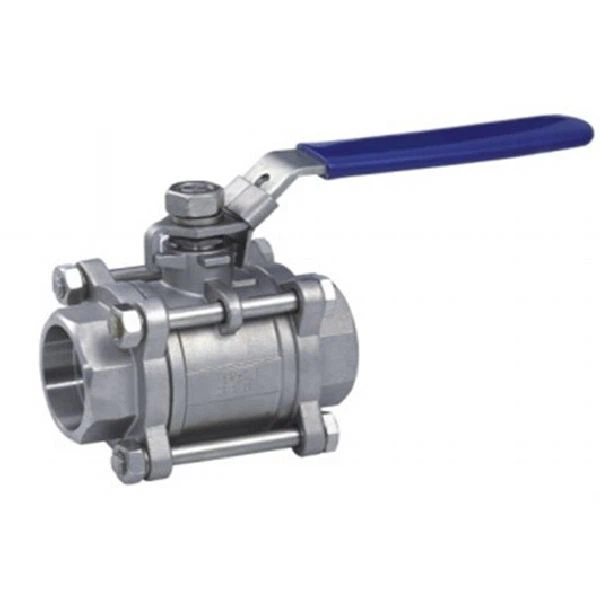

Use suitable materials
Use suitable materials such as non-corrosive seals, gaskets, and fasteners that can withstand the chemical and temperature conditions of the medium passing through the valve.
Check the seal
Check the valve seal for potential damage, wear, or misalignment frequently. A worn or damaged seal may cause a gas or fluid leak, leading to potential safety hazards.

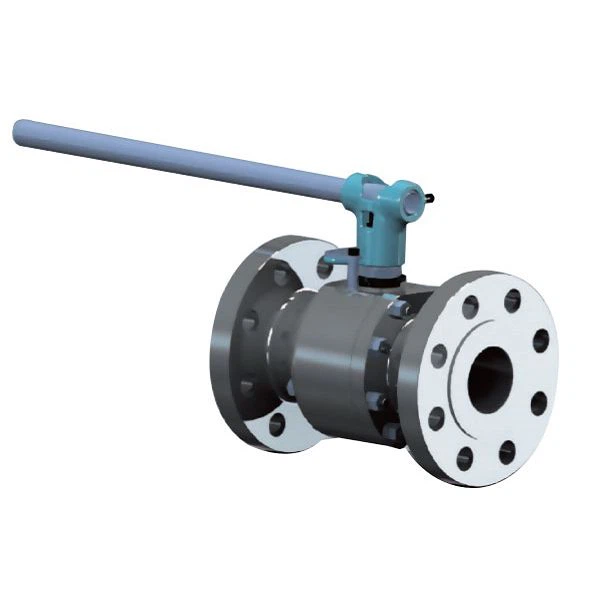
Key Differences Between Floating Ball Valves And Trunnion Ball Valves
The main difference is in the design of the ball. In a floating ball valve, the ball is free to float within the body of the valve. This allows the ball to align with the seat, creating a tight seal. In a trunnion ball valve, the ball is attached to a trunnion, which is a short, cylindrical piece of metal. The trunnion supports the ball as a fulcrum to pivot on. Floating ball valves have a lower risk of leakage and are easier to maintain than trunnion ball valves.
What Are The Pressure And Temperature Limitations of a Floating Ball Valve?
The pressure limitation of a floating ball valve is mainly determined by its class rating. The class rating indicates the maximum pressure the valve can withstand without failure. For example, a class 150 floating ball valve can handle a maximum pressure of 150 psi, while a class 600 floating ball valve can handle a maximum pressure of 600 psi. The temperature limitation of a floating ball valve depends on the material used for the valve body, stem, and ball. Materials such as carbon steel, stainless steel, and bronze can handle a wide range of temperatures, but they have their limits. For example, a carbon steel floating ball valve may have a maximum temperature limitation of around 400°F, while a stainless steel floating ball valve may have a maximum temperature limitation of around 800°F.

Components of Floating Ball Valve
Valve body: the chamber in which the valve mechanism is encased. Ball valves are most commonly made of iron, steel, brass, bronze, or PVC.
Ball: a sphere that pivots with a flow path through the centre. It connects to the valve body via the stem (or shaft).
Bore or port: the hollowed out centre of the ball that allows flow.
Packing: flexible seals that fit around the stem to prevent media from escaping from the valve body.
Seat: a round disc that forms a seal between the valve body and the ball.
Stem: the shaft that anchors the ball and connects it to the actuator or operating lever
Actuator: an external device that is used to rotate the stem of the valve. This can be a lever, gear, electric actuator, or a pneumatic/hydraulic actuator.
Working Principle of Floating Ball Valve
A floating ball valve works by using a ball-shaped valve element that is suspended or "floating" inside the valve body. The ball has a hole or bore through it that allows fluid or gas to flow through the valve when the ball is in the open position. When the valve is closed, the ball rotates so that the bore is perpendicular to the flow, blocking the flow of fluid or gas. To operate the valve, a handle or lever is turned, which is connected to a stem that is attached to the ball. As the handle is turned, the stem and ball rotate, either opening or closing the flow of fluid or gas. The ball element of a floating ball valve is not fixed in place, but is free to move. This allows the ball to move slightly to accommodate changes in fluid pressure, which helps to prevent leaks and improve sealing. The floating design also allows for a tight seal even when there are small amounts of dirt or debris in the valve.


Why Floating Ball Valve
A floating ball valve uses a rotating ball and a stem that provide on/off flow control. When the valve is positioned where the bore is aligned in the same direction as the pipeline, it is in the open position, and fluid can pass downstream. When the ball is rotated 90-degree, the bore becomes perpendicular to the flow path, meaning the floating ball valve is closed, and fluid cannot pass downstream. Advantages of a floating ball valve include Fast shut off, only a 90-degree turn required to close the valve. The opened or closed state of the valve can be easily detected by position of the handle.
Material of Floating Ball Valve
Floating ball valves are typically made from materials such as brass, bronze, cast iron, ductile iron, carbon steel, stainless steel, and other alloys. The material used for the valve body and ball depends on the specific application, pressure, temperature, and medium being controlled by the valve. valves used in highly corrosive and abrasive environments may be made from materials that are resistant to corrosion and wear, such as stainless steel or ceramic.

Can Floating Ball Valves Be Used For Abrasive or Corrosive Media?
Floating ball valves can be constructed from materials that are resistant to abrasion and corrosion, such as stainless steel, bronze, or exotic alloys. Additionally, some floating ball valves can be coated or lined with materials that provide additional protection against abrasive or corrosive fluids.

Floating ball valves undergo rigorous testing to ensure quality and performance. This includes hydrostatic testing to verify the valve body's strength and pressure resistance, seat and seal testing to verify tightness and leakage prevention, and torque testing to verify the actuator's efficiency and functionality. The valves are also subjected to performance testing to verify the flow rate, operating torque, and other functional parameters.
How Do You Select The Right Size And Class For a Floating Ball Valve
The choice of size and class for a floating ball valve depends on several factors, including the flow rate, pressure, temperature, and application. The valve size should match the piping system's size, and the valve class should be selected based on the maximum allowable pressure and temperature for the application.
A floating ball valve is suitable for a variety of piping systems, including those that carry liquids or gases under high pressure or high temperature. This type of valve design allows the ball to move freely within the valve body, which ensures a tight seal and minimizes the risk of leakage. This makes floating ball valves ideal for use in industries such as oil and gas, chemical processing, and power generation, where reliability and safety are paramount. Floating ball valves can accommodate a range of piping materials and sizes, making them a versatile choice for many different applications.
What Are The Different Types of Seats Used in a Floating Ball Valve?
There are typically two types of seats used in a floating ball valve: soft seats and metal seats. Soft seats are made of materials such as PTFE, elastomers, or other polymers, and provide excellent sealing capabilities and resistance to chemical corrosion. Metal seats are made of materials such as stainless steel or other alloys, and are used in applications with higher temperatures and pressures. Metal seats also have the advantage of being more durable and resistant to wear and tear than soft seats. The choice of seat material ultimately depends on the specific application requirements and the type of fluid being transported through the valve.
How is The Flow Rate Controlled in a Floating Ball Valve?
The flow rate in a floating ball valve is controlled by the position of the ball in relation to the valve body. The ball inside the valve is held in place by two seats, one on the upstream side and the other on the downstream side. As the pressure drops, the ball moves away from the downstream seat, creating a gap between the ball and the downstream seat. The size of this gap determines the flow rate of the fluid. By adjusting the position of the ball with a handle or actuator, the flow rate can be controlled. When the handle or actuator is rotated, the ball spins and moves closer or farther away from the downstream seat, changing the size of the gap and adjusting the flow rate accordingly.
Our Factory
With strong technical force, advanced production technology and stable quality, it has contributed to the development of my country's chemical, petroleum, smelting and electric power industries. We always adhere to the tenet of "quality first, reputation first, timely delivery and considerate service".


FAQ
Q: What is the purpose of a floating ball valve?
Q: What is difference between floating ball valve and trunnion ball valve?
Q: What are the advantages of using a floating ball valve?
Q: What are the different types of floating ball valves?
Q: How do you select the right floating ball valve for a specific application?
Q: What is the maximum pressure rating for floating ball valves?
Q: Can floating ball valves be used for both on/off and throttling applications?
Q: What is the typical lifespan of a floating ball valve?
Q: Can floating ball valves be automated?
Q: What are some common applications of floating ball valves?
Q: How do you maintain and repair a floating ball valve?
Q: What is the function of the seat in a floating ball valve?
Q: What is the difference between a manual and automated floating ball valve?
Q: What factors should be considered when selecting a floating ball valve?
Q: How do you install a floating ball valve?
Q: Can floating ball valves be used for high-pressure applications?
Q: What are some common problems with floating ball valves?
Q: How does a floating ball valve work?
Q: What is the typical temperature and pressure range for a floating ball valve?
Q: What types of fluids can a floating ball valve control?
As one of the leading floating ball valve manufacturers and suppliers in China, we warmly welcome you to wholesale high-grade floating ball valve for sale here from our factory. All our products are with high quality and competitive price.
steel ball valves, 1 1 2 pvc union ball valve, 1 2 ss ball valve