

Products

1 Piece Ball Valve
What is 1 Piece Ball Valve
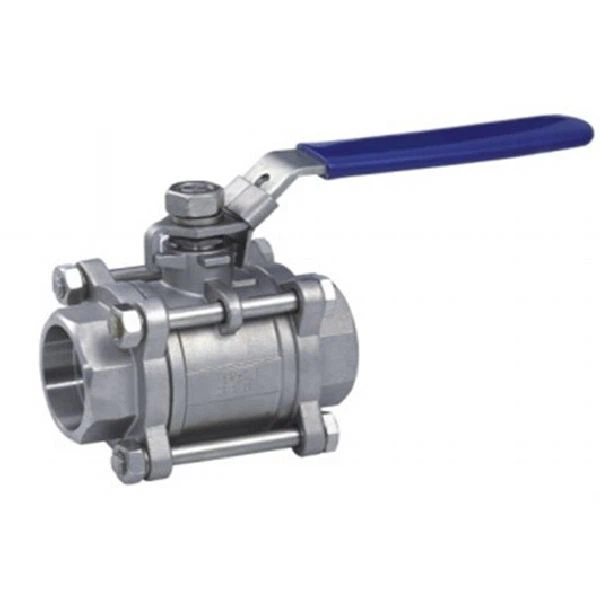
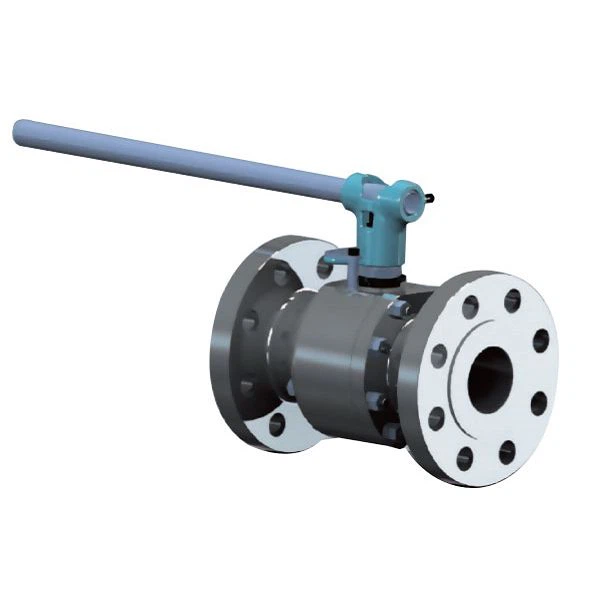
A 1-piece ball valve is a shut-off valve that uses a rotatable ball to control the flow of fluid. The ball is seated in a bore of the body and has a hole in the center that aligns with the ports in the body to allow fluid to pass through when the valve is open. When the handle or actuator is turned, the stem rotates the ball, which aligns the hole in the ball with the ports in the body to allow fluid to pass through. When the handle or actuator is turned in the opposite direction, the stem rotates the ball to close the hole and prevent fluid from flowing through.
Why Choose Us
We earn your respect by delivering on time and on budget. We built our reputation on exceptional customer service. Discover the difference it makes.
We promise to provide you with the fastest reply, the best price, the best quality, and the most complete after-sales service.
We offer competitive pricing for our services without compromising on quality. Our prices are transparent, and we do not believe in hidden charges or fees.
We are committed to delivering high quality services that exceed our clients' expectations. We strive to ensure that our clients are satisfied with our services and work closely with them to ensure their needs are met.
We have a rigorous quality assurance process in place to ensure that all our services meet the highest standards of quality. Our team of quality analysts checks each project thoroughly before it is delivered to the client.
We use the latest technology and tools to deliver high quality services. Our team is well-versed in the latest trends and advancements in technology and uses them to provide the best results.




Benefits of 1 Piece Ball Valve
Compact Design: One of the main benefits of a 1 piece ball valve is its compact design. The valve body is made from a single piece of material, resulting in a smaller overall size compared to multi-piece valves. This makes it easier to install in tight spaces or applications with limited clearance.
Cost-Effective: 1 piece ball valves are generally more cost-effective compared to multi-piece valves. The manufacturing process is simpler, requiring fewer components and less assembly time. This translates to a lower price point, making it an economical choice for various applications.
Easy Installation: Due to their simple design, 1 piece ball valves are easy to install. They typically have fewer connections and fewer potential leak points compared to multi-piece valves. This simplifies the installation process and reduces the chances of installation errors.
Low Maintenance: 1 piece ball valves require minimal maintenance. The single-piece body design eliminates the need for disassembly during routine maintenance or cleaning. This saves time and effort, making it a convenient choice for applications where regular maintenance is required.
Reliable Sealing: The ball and seat design of a 1 piece ball valve provides reliable sealing. When the valve is closed, the ball presses against the seat, creating a tight seal that prevents leakage. This ensures efficient flow control and minimizes the risk of fluid loss or contamination.
Versatility: 1 piece ball valves are available in a wide range of materials, including stainless steel, brass, carbon steel, and PVC. This allows them to be used in various applications and industries, including oil and gas, chemical, water treatment, and HVAC systems.
Quick Operation: The quarter-turn operation of a 1 piece ball valve allows for quick and easy flow control. With just a 90-degree rotation of the handle or actuator, the valve can be fully opened or closed, enabling fast response times in critical applications.
High Flow Capacity: Despite their compact size, 1 piece ball valves can offer high flow capacity. Full port designs have a bore that matches the pipe size, allowing for maximum flow rates and minimal pressure drop. This makes them suitable for applications that require efficient fluid transfer.
Compatibility: 1 piece ball valves are compatible with various end connections, including threaded, socket weld, butt weld, and flanged connections. This allows for easy integration into existing piping systems and ensures compatibility with different pipe materials.
What are the applications of 1 piece ball valves

Industrial Processes
Water and Wastewater Treatment
HVAC Systems
Oil and Gas Pipelines
Power Generation
Food and Beverage Industry
Fire Protection Systems
What is the maximum pressure rating of a 1-piece ball valve
The maximum pressure rating of a 1-piece ball valve refers to the maximum pressure that the valve can withstand without failure. The maximum pressure rating of a 1-piece ball valve is an important parameter that affects the performance and reliability of the valve and is typically specified in pounds per square inch (psi) or bars.
The maximum pressure rating of a 1-piece ball valve depends on several factors, including the material of the body, the ball, and the stem, as well as the design and manufacturing quality of the valve. Different materials and designs may result in different maximum pressure ratings.
For example, a 1-piece ball valve made of brass may have a maximum pressure rating of 1,000 psi, while a 1-piece ball valve made of stainless steel may have a maximum pressure rating of 1,500 psi. The maximum pressure rating of a 1-piece ball valve may also vary depending on the size and configuration of the valve.
When choosing a 1-piece ball valve for a particular application, it's important to select a valve with a maximum pressure rating that is higher than the maximum pressure that will be encountered in the system. This will ensure that the valve can withstand the pressure without failure and prevent potential safety hazards.
The maximum pressure rating of a 1-piece ball valve refers to the maximum pressure that the valve can withstand without failure. The maximum pressure rating of a 1-piece ball valve depends on several factors, including the material of the body, the ball, and the stem, as well as the design and manufacturing quality of the valve. When choosing a 1-piece ball valve for a particular application, it's important to select a valve with a maximum pressure rating that is higher than the maximum pressure that will be encountered in the system.
What is the material of the body of a 1-piece ball valve
The material of the body of a 1-piece ball valve refers to the material used to construct the main body of the valve. The body of a 1-piece ball valve is an important component that withstands the pressure and temperature of the fluid being controlled and provides a sealed chamber for the ball and stem. The material of the body of a 1-piece ball valve can vary depending on the application and the required performance characteristics of the valve. Here are some common materials used for the body of a 1-piece ball valve:
Stainless steel is a popular material for the body of a 1-piece ball valve because it is strong, corrosion-resistant, and can withstand high temperatures and pressures. Stainless steel bodies are often used in industrial applications where reliability and performance are important.


Brass is another common material for the body of a 1-piece ball valve because it is relatively inexpensive and easy to machine. Brass bodies are often used in domestic and commercial applications where cost is a consideration.
Cast iron is a strong and durable material that can withstand high temperatures and pressures. Cast iron bodies are often used in industrial applications where reliability and performance are important.
Aluminum is a light and corrosion-resistant material that is often used in applications where weight is a concern, such as in aerospace and automotive industries.
The material of the body of a 1-piece ball valve is an important parameter that affects the performance and reliability of the valve. The material of the body of a 1-piece ball valve can vary depending on the application and the required performance characteristics of the valve. Common materials used for the body of a 1-piece ball valve include stainless steel, brass, cast iron, and aluminum.

The minimum temperature rating of a 1-piece ball valve depends on the material used in its construction. Different materials have different temperature limits, and the valve's temperature rating is determined by the lowest temperature limit of its components.
Stainless steel is a common material used in 1-piece ball valves, and its minimum temperature rating is typically around -20°F (-29°C). This makes it suitable for use in low-temperature applications, such as cryogenic systems or refrigeration.
Brass is another material used in 1-piece ball valves, and its minimum temperature rating is typically around -40°F (-40°C). This makes it suitable for use in applications where low temperatures are a concern, such as in HVAC systems or cold water supply lines.
Carbon steel is a durable material used in 1-piece ball valves, and its minimum temperature rating is typically around -20°F (-29°C). This makes it suitable for use in low-temperature applications, such as in oil and gas pipelines or chemical processing.
PVC is a plastic material used in 1-piece ball valves, and its minimum temperature rating is typically around 32°F (0°C). This makes it suitable for use in applications where low temperatures are not a concern, such as in water treatment or irrigation systems.
It is important to note that the minimum temperature rating of a 1-piece ball valve is not the same as its maximum temperature rating. The maximum temperature rating is determined by the material's ability to withstand high temperatures without degrading or melting. Exceeding the maximum temperature rating can cause the valve to fail, resulting in leaks or other safety hazards.
In addition to the material used in its construction, the temperature rating of a 1-piece ball valve is also affected by its design and operating conditions. For example, a valve that is exposed to extreme temperature fluctuations may have a lower temperature rating than a valve that operates at a steady temperature.
To ensure that a 1-piece ball valve is suitable for a specific application, it is important to consider its temperature rating, as well as other factors such as pressure rating, flow rate, and compatibility with the fluid being transported. Consulting with a valve manufacturer or supplier can help ensure that the valve selected is appropriate for the application's requirements.
The minimum temperature rating of a 1-piece ball valve depends on the material used in its construction, with stainless steel typically having a minimum temperature rating of around -20°F (-29°C), brass around -40°F (-40°C), carbon steel around -20°F (-29°C), and PVC around 32°F (0°C). It is important to consider the valve's temperature rating, as well as other factors, when selecting a valve for a specific application.
What is the connection type of the body of a 1-piece ball valve
The connection type of the body of a 1-piece ball valve refers to the method used to attach the valve to the piping system. There are several common connection types for the body of a 1-piece ball valve, including:

Threaded connection: Threaded connections are the most common type of connection for small diameter ball valves and are typically used for piping systems withthreaded fittings. Threaded connections are easy to install and remove and provide a tight seal.
Socket weld connection: Socket weld connections are typically used for larger diameter ball valves and are used for piping systems that require a permanent connection. Socket weld connections provide a strong and reliable connection but require special equipment and training for installation.
Flange connection: Flange connections are used for larger diameter ball valves and are used for piping systems that require a high degree of flexibility. Flange connections provide a strong and reliable connection and can be easily removed and replaced if necessary.
Wafer connection: Wafer connections are used for ball valves with a thin body design and are typically used for piping systems with limited space. Wafer connections provide a tight seal and are easy to install and remove.


The connection type of the body of a 1-piece ball valve is an important parameter that affects the installation and maintenance of the valve. The choice of connection type will depend on the specific application and piping system requirements. For example, threaded connections may be sufficient for small diameter piping systems, while socket weld or flange connections may be required for larger diameter piping systems.
The connection type of the body of a 1-piece ball valve refers to the method used to attach the valve to the piping system. The choice of connection type will depend on the specific application and piping system requirements. Common connection types for the body of a 1-piece ball valve include threaded, socket weld, flange, and wafer connections.
What is the maximum flow rate of a 1-piece ball valve
The maximum flow rate of a 1-piece ball valve depends on several factors, including the valve size, design, and operating conditions. The valve size is typically determined by the pipe size it is intended to be used with, and larger valves generally have a higher maximum flow rate than smaller valves.
The design of the valve also plays a role in its maximum flow rate. Full port valves have a bore that matches the pipe size, allowing for maximum flow rates and minimal pressure drop. Reduced port valves have a smaller bore than the pipe size, which can restrict flow and increase pressure drop.
The operating conditions of the valve, such as the fluid being transported, the temperature and pressure of the fluid, and the flow velocity, can also affect the maximum flow rate. For example, fluids with high viscosity or high solids content may have a lower maximum flow rate than fluids with low viscosity or low solids content.
In general, 1-piece ball valves are capable of handling high flow rates. Full port valves can provide maximum flow rates that are close to the pipe's maximum flow rate, while reduced port valves may have a lower maximum flow rate due to the smaller bore size.
The maximum flow rate of a 1-piece ball valve can be calculated using the valve's Cv value, which is a measure of the valve's flow capacity. The Cv value is determined by the valve's size, design, and operating conditions, and is typically provided by the valve manufacturer.
To calculate the maximum flow rate of a 1-piece ball valve using its Cv value, the following formula can be used:
Q = Cv x √(ΔP/SG)
Where Q is the maximum flow rate in gallons per minute (GPM), Cv is the valve's Cv value, ΔP is the pressure drop across the valve in pounds per square inch (PSI), and SG is the specific gravity of the fluid being transported.
For example, if a 1-piece ball valve has a Cv value of 50, a pressure drop of 10 PSI, and is transporting water with a specific gravity of 1.0, the maximum flow rate would be:
Q = 50 x √(10/1.0) = 158 GPM
It is important to note that the maximum flow rate of a 1-piece ball valve should not exceed the maximum flow rate of the pipe it is connected to. Exceeding the pipe's maximum flow rate can cause damage to the pipe or other components in the system.
The maximum flow rate of a 1-piece ball valve depends on several factors, including the valve size, design, and operating conditions. Full port valves can provide maximum flow rates that are close to the pipe's maximum flow rate, while reduced port valves may have a lower maximum flow rate due to the smaller bore size. The maximum flow rate can be calculated using the valve's Cv value, but should not exceed the maximum flow rate of the pipe it is connected to.
What is the maximum pressure rating of the seal used in a 1-piece ball valve
The maximum pressure rating of the seal used in a 1-piece ball valve depends on the material and design of the seal, as well as the specific application and operating conditions. The seal is a critical component of the valve that ensures a tight and reliable closure, preventing any leakage under pressure.
There are several types of seals commonly used in 1-piece ball valves, including O-rings, PTFE (polytetrafluoroethylene) seals, and elastomeric seals. Each type of seal has its own maximum pressure rating based on its material properties and design.
O-rings are commonly used as seals in 1-piece ball valves. They are typically made of materials such as Nitrile (Buna-N), EPDM (Ethylene Propylene Diene Monomer), or Viton (Fluoroelastomer). The maximum pressure rating of O-rings can vary depending on the material and size of the O-ring. For example, Nitrile O-rings may have a maximum pressure rating of around 1500 PSI (pounds per square inch), while Viton O-rings can have a higher maximum pressure rating of around 3000 PSI.
PTFE seals, also known as Teflon seals, are another common type of seal used in 1-piece ball valves. PTFE is a highly chemically resistant material with excellent low-friction properties. PTFE seals can have a higher maximum pressure rating compared to elastomeric seals. The maximum pressure rating of PTFE seals can range from around 1500 PSI to 3000 PSI, depending on the specific design and material composition.
Elastomeric seals, such as EPDM or Nitrile, are used in applications where chemical resistance and temperature range are not critical factors. These seals are typically used in lower pressure applications and may have a maximum pressure rating of around 150 PSI to 300 PSI.
It is important to note that the maximum pressure rating of the seal is typically lower than the maximum pressure rating of the valve body itself. The valve body is designed to withstand higher pressures, while the seal is designed to provide a reliable seal at lower pressures. Exceeding the maximum pressure rating of the seal can cause the seal to fail, resulting in leakage and potential system failure.
The maximum pressure rating of the seal is determined through testing and certification by the valve manufacturer. It is important to consult the manufacturer's specifications and documentation to ensure that the seal is suitable for the specific application and operating conditions.
The maximum pressure rating of the seal used in a 1-piece ball valve depends on the material and design of the seal. O-rings, PTFE seals, and elastomeric seals are commonly used in 1-piece ball valves, each with their own maximum pressure ratings. It is important to consult the manufacturer's specifications and documentation to ensure that the seal is suitable for the specific application and operating conditions. Exceeding the maximum pressure rating of the seal can cause the seal to fail, resulting in leakage and potential system failure.
Our Factory
Bergamo Valve has strong technical force, advanced production technology, stable quality, making contribution to the development of chemical, petroleum, our smelting, electric power industry. Over the years, always adhere to "quality first, reputation first, prompt delivery, and thoughtful service" purposes, products sell well all over the country, by the user praise. All products are used GB, HB, API, BS, DIN, JIS and other domestic and foreign advanced standards of production,according to the terms of use,users can choose different fluorine materials,also undertake various non-standard valves, equipment design and manufacture, anti-corrosion equipment will give your business to provide the ideal, so bring your business significant economic benefits.

FAQ
Q: What are the advantages of a 1 piece ball valve?
Q: What materials are 1 piece ball valves made of?
Q: What are the different types of 1 piece ball valves?
Q: What is a full port 1 piece ball valve?
Q: What is a reduced port 1 piece ball valve?
Q: What is a multi-port 1 piece ball valve?
Q: What are the applications of 1 piece ball valves?
Q: What is the working principle of a 1 piece ball valve?
Q: How is a 1 piece ball valve operated?
Q: What is the difference between a 1 piece ball valve and a 3 piece ball valve?
Q: What are the advantages of a 1 piece ball valve over a 3 piece ball valve?
Q: What are the disadvantages of a 1 piece ball valve?
Q: What is the maximum pressure rating of a 1 piece ball valve?
Q: What is the maximum temperature rating of a 1 piece ball valve?
Q: What is the sealing mechanism of a 1 piece ball valve?
Q: What is the maintenance required for a 1 piece ball valve?
Q: What are the common sizes of 1 piece ball valves?
Q: What are the common end connections of 1 piece ball valves?
Q: What are the standards applicable to 1 piece ball valves?
Q: What factors should be considered when selecting a 1 piece ball valve?
Hot Tags: 1 piece ball valve, China 1 piece ball valve suppliers, manufacturers, factory, , ANSI Flanged Ball Valve


