

The lifespan of a split - body ball valve is a topic of significant interest for industries that rely on these essential components for fluid control. As a supplier of split - body ball valves, I have witnessed firsthand the importance of understanding the factors that affect the lifespan of these valves and how they can be optimized to ensure long - term, reliable performance.
Understanding Split - Body Ball Valves
Before delving into the lifespan of split - body ball valves, it's crucial to understand what they are. A split - body ball valve consists of a ball with a hole through it that rotates within a valve body. The valve body is split into two or more parts, which allows for easy maintenance and repair. When the ball is rotated, the hole aligns with the flow path, allowing fluid to pass through, and when rotated again, the solid part of the ball blocks the flow path.
These valves are widely used in various industries such as oil and gas, chemical, power generation, and water treatment due to their excellent sealing performance, low - torque operation, and resistance to high pressure and temperature applications.

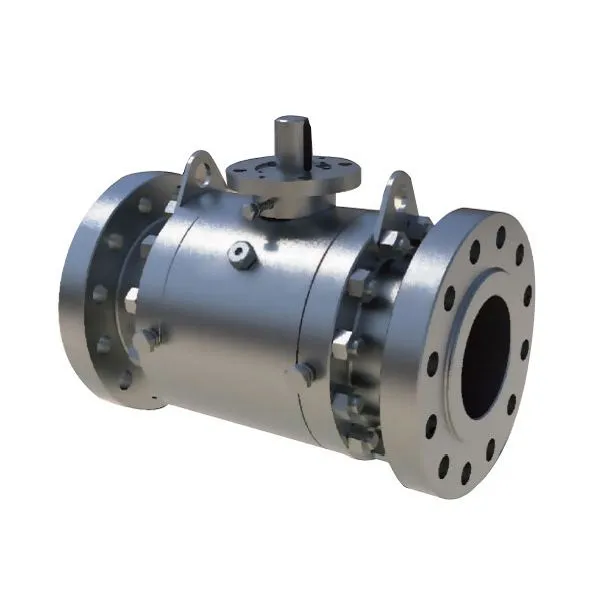
Factors Affecting the Lifespan
1. Material Quality
The materials used in the construction of a split - body ball valve play a vital role in determining its lifespan. High - quality materials that are resistant to corrosion, erosion, and wear can significantly extend the valve's service life. For example, stainless steel is a popular choice for split - body ball valves because of its excellent corrosion resistance properties. [Learn More about our Stainless Steel Trunnion Ball Valve] It can withstand harsh environments, including those with high levels of moisture, chemicals, and salts. Additionally, the quality of the ball material, seat material, and stem material also affects the valve's longevity. A hard - faced ball and seat can provide better wear resistance, especially in applications with abrasive fluids.
2. Operating Conditions
The operating conditions under which a split - body ball valve works have a major impact on its lifespan. High - pressure applications can put a great deal of stress on the valve components, leading to premature wear and failure. Similarly, high - temperature environments can cause the materials to expand and contract, potentially affecting the valve's sealing performance and structural integrity. On the other hand, fluid characteristics such as viscosity, erosiveness, and the presence of solids can also wear down the valve components over time. For instance, if the fluid contains abrasive particles, it can erode the ball and seat surfaces, reducing the valve's sealing effectiveness.
3. Frequency of Operation
The frequency at which a split - body ball valve is opened and closed also influences its lifespan. Valves that are operated frequently are more likely to experience wear on their moving parts, such as the ball and stem. Each operation causes friction between the contacting surfaces, which can gradually lead to surface damage and loss of sealing performance. In contrast, valves that are used less frequently may face issues related to stagnation, such as the buildup of sediment or the degradation of sealing materials over time due to lack of movement.
4. Maintenance and Installation
Proper maintenance and installation are essential for ensuring the long - term performance of split - body ball valves. Incorrect installation can lead to misalignment, which can cause uneven stress on the valve components and premature failure. Regular maintenance, including lubrication, inspection of seals, and cleaning of internal parts, can help identify and address potential issues before they become major problems. For example, replacing worn - out seals in a timely manner can prevent leaks and extend the valve's lifespan.
Typical Lifespan Estimates
Estimating the exact lifespan of a split - body ball valve is challenging because it depends on the combination of the above - mentioned factors. However, under normal operating conditions in a relatively clean and stable environment, a well - designed and properly maintained split - body ball valve can last anywhere from 10 to 20 years.
In less favorable conditions, such as in high - pressure, high - temperature, or abrasive fluid applications, the lifespan may be significantly shorter, perhaps 5 to 10 years. In some extreme cases, where the operating conditions are extremely harsh and maintenance is inadequate, the valve may fail within a year or two.
Extending the Lifespan of Split - Body Ball Valves
1. Selecting the Right Valve
Choosing the appropriate split - body ball valve for the specific application is the first step in ensuring a long lifespan. Consider factors such as the type of fluid, pressure, temperature, and flow rate. For applications with high - viscosity fluids, a V Type Ball Valve may be more suitable as it can provide better flow control. For automated processes, a Motorized Ball Valve can be a great option.
2. Regular Maintenance
Implement a comprehensive maintenance program that includes routine inspections, lubrication, and replacement of worn parts. Train your maintenance staff to recognize the signs of valve wear and damage, such as leaks, increased operating torque, or abnormal noise. By addressing these issues promptly, you can prevent more severe problems from occurring and extend the valve's lifespan.
3. Monitoring and Control
Use monitoring systems to keep track of the valve's operating conditions, including pressure, temperature, and flow rate. By detecting any abnormal changes in these parameters, you can take corrective actions before they cause significant damage to the valve. Additionally, controlling the operating frequency and ensuring that the valve is not over - or under - operated can also contribute to a longer lifespan.
Why Choose Our Split - Body Ball Valves
As a leading supplier of split - body ball valves, we are committed to providing high - quality products that offer long - term reliability. Our valves are manufactured using the latest technology and high - grade materials to ensure excellent performance in a wide range of applications. We have a team of experienced engineers who can assist you in selecting the right valve for your specific needs and provide technical support throughout the valve's lifecycle.
If you are in the market for split - body ball valves or want to learn more about how to optimize the lifespan of your existing valves, we encourage you to contact us for a negotiation. Our experts are ready to discuss your requirements and offer customized solutions to meet your business needs.
References
- "Valve Handbook: Principles and Applications", Robert Hunt.
- "Industrial Valve Technology", John P. Carroll.
- Technical papers from leading valve manufacturers and industry associations.


