

Products

V Type Ball Valve
What is V Type Ball Valve
V-Type Ball Valve is a type of shut-off valve used to control the flow of fluid in a piping system. It gets its name from the shape of its internal components, particularly the ball and the seat. In a V-Type Ball Valve, the ball has a V-shaped profile, and the seat has a corresponding V-shaped groove. When the ball is rotated to align with the seat, it creates a seal, preventing the fluid from flowing through the valve. By rotating the ball to a different position, the flow can be controlled or completely shut off. V-Type Ball Valves are available in various materials, such as brass, stainless steel, cast iron, and plastic, and they can be used in different applications, including water supply, heating systems, gas pipelines, and industrial processes.
Why Choose Us
We earn your respect by delivering on time and on budget. We built our reputation on exceptional customer service. Discover the difference it makes.
We promise to provide you with the fastest reply, the best price, the best quality, and the most complete after-sales service.
We offer competitive pricing for our services without compromising on quality. Our prices are transparent, and we do not believe in hidden charges or fees.
We are committed to delivering high quality services that exceed our clients' expectations. We strive to ensure that our clients are satisfied with our services and work closely with them to ensure their needs are met.
We have a rigorous quality assurance process in place to ensure that all our services meet the highest standards of quality. Our team of quality analysts checks each project thoroughly before it is delivered to the client.
We use the latest technology and tools to deliver high quality services. Our team is well-versed in the latest trends and advancements in technology and uses them to provide the best results.


Benefits of V Type Ball Valve
Compact Design: V-Type Ball Valves have a relatively small size and simple structure, making them easy to install and maintain. They take up less space in piping systems, which is especially beneficial in tight spaces or crowded installations.
Reduced Flow Resistance: The V-shaped ball design provides a large flow area, resulting in minimal pressure drop and high flow capacity. This means that the valve can handle higher flow rates without significantly reducing the system's performance.
Long Service Life: The simple design and fewer moving parts of V-Type Ball Valves result in longer service life and reduced maintenance requirements. They are less prone to wear and tear, and their reliability makes them suitable for critical applications.
Versatile Applications: V-Type Ball Valves can be used in a wide range of fluid handling applications, including water, gas, oil, and chemicals. They are available in different materials and configurations to suit specific industry requirements.
Easy Operation: V-Type Ball Valves are easy to operate, as they only require a 90-degree rotation of the ball to open or close the valve. This simple operation makes them user-friendly and suitable for both manual and automated control systems.
What are the common materials used in manufacturing V-Type Ball Valves
V-Type Ball Valves are constructed using various materials to ensure their reliability and performance in different applications. Here are some common materials used in manufacturing V-Type Ball Valves:

Stainless Steel
Stainless steel is a popular choice due to its excellent corrosion resistance and mechanical properties. It is available in different grades, such as 304 and 316, which offer varying levels of corrosion resistance and temperature tolerance. Stainless steel is suitable for a wide range of fluid handling applications.
Chrome Molybdenum Steel
Chrome molybdenum steel, also known as chrome-moly steel, is a alloy that combines chrome and molybdenum. It provides enhanced mechanical strength and corrosion resistance compared to carbon steel. Chrome molybdenum steel is often used in high-temperature and high-pressure applications.
Inconel
Inconel is a nickel-based alloy known for its excellent resistance to corrosion and high temperatures. It can withstand extreme conditions and is commonly used in severe corrosive or high-temperature environments. Inconel is also resistant to creep and fatigue, making it suitable for long-term operation.
Hastelloy
Hastelloy is a nickel-chromium-molybdenum alloy that demonstrates superior corrosion resistance, especially in aggressive chemical environments. It is often used in applications involving acids, chlorides, and other corrosive fluids. Hastelloy is available in different grades, each suited for specific chemical resistance requirements.
PTFE (Polytetrafluoroethylene)
PTFE is a fluoropolymer known for its low coefficient of friction and chemical resistance. It is often used as a seal material in V-Type Ball Valves, providing a reliable seal even in corrosive or high-temperature fluids. PTFE seals are compatible with a wide range of chemicals and offer excellent sealing performance.
Graphite
Graphite is another material used in seal applications in V-Type Ball Valves. Graphite has good chemical resistance and is suitable for handling corrosive fluids. It is also self-lubricating, which helps reduce friction and wear in the valve.
Bronze
Bronze is a copper alloy that offers good mechanical properties and corrosion resistance. It is often used in the manufacturing of valve stems and components that require mechanical strength and corrosion resistance.
Cast Iron
Cast iron is a relatively inexpensive material that provides moderate mechanical strength and corrosion resistance. It is often used in low-pressure applications where cost is a consideration.
What is the working principle of a V-Type Ball Valve
The working principle of a V-Type Ball Valve is relatively simple yet effective. Here's a more detailed explanation:
A V-Type Ball Valve consists of a valve body, a V-shaped ball, a stem, and a sealing mechanism. The ball, which is typically made of corrosion-resistant materials, is positioned inside the valve body and has a through-hole in the center. The stem connects the ball to the actuator, which allows for opening and closing the valve.
When the valve is in the closed position, the ball is rotated to align the through-hole with the valve seat, creating a seal. This prevents the fluid from flowing through the valve. The sealing mechanism, usually a soft or metal seat, ensures a tight seal to prevent leaks.
To open the valve, the actuator rotates the stem, which in turn rotates the ball. As the ball rotates, the through-hole aligns with the flow path, allowing the fluid to pass through. The degree of opening can be adjusted by rotating the ball to control the flow rate.
The V-shaped design of the ball offers several advantages. It provides a large flow area, resulting in minimal pressure drop and high flow capacity. This means that the valve can handle higher flow rates without significantly reducing the system's performance.
The sealing mechanism in a V-Type Ball Valve is designed to handle different pressure levels. The seat is designed to create a tight seal even under high pressure, preventing leaks and ensuring the reliability of the valve.
The stem of a V-Type Ball Valve connects the ball to the actuator and allows for precise control of the ball's position. The stem is usually made of stainless steel or other corrosion-resistant materials to ensure long-term reliability and performance.
What is the maximum pressure rating for V-Type Ball Valves
The maximum pressure rating for V-Type Ball Valves can vary depending on the specific design and material of construction. Here are some common maximum pressure ratings for V-Type Ball Valves:
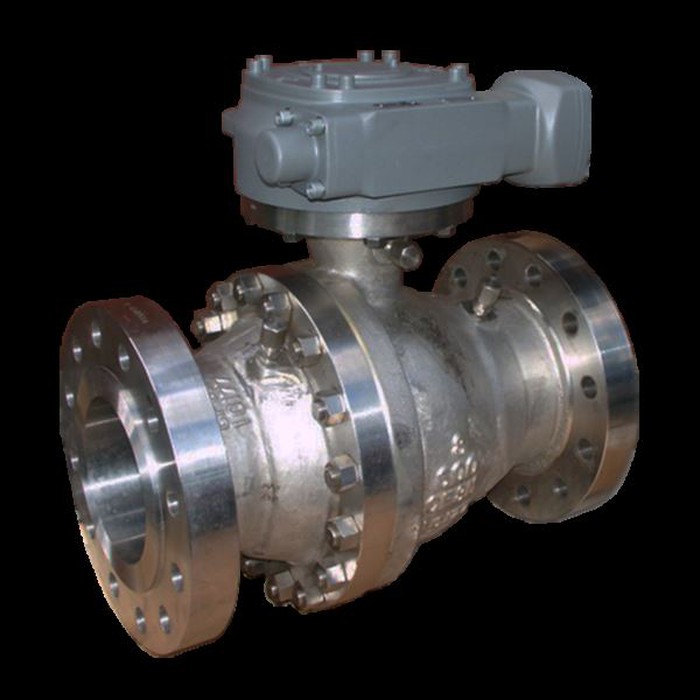
Stainless Steel: Stainless steel V-Type Ball Valves typically have a maximum pressure rating of up to 1000 psi (69 bar) or higher, depending on the grade of stainless steel used. Higher grades of stainless steel, such as 316L, offer better corrosion resistance and higher pressure ratings.
Chrome Molybdenum Steel: Chrome molybdenum steel V-Type Ball Valves can withstand higher pressure ratings, often up to 2000 psi (138 bar) or more. This material provides excellent mechanical strength and resistance to high temperatures and corrosive environments.
Inconel: Inconel V-Type Ball Valves are designed to handle extremely high pressure ratings, often up to 4000 psi (276 bar) or higher. Inconel's resistance to creep and fatigue makes it suitable for applications involving high temperatures and corrosive fluids.
PTFE (Polytetrafluoroethylene): PTFE seals in V-Type Ball Valves can withstand pressure ratings of up to 1000 psi (69 bar) or higher, depending on the seal design and material properties. PTFE seals offer excellent chemical resistance and low friction.

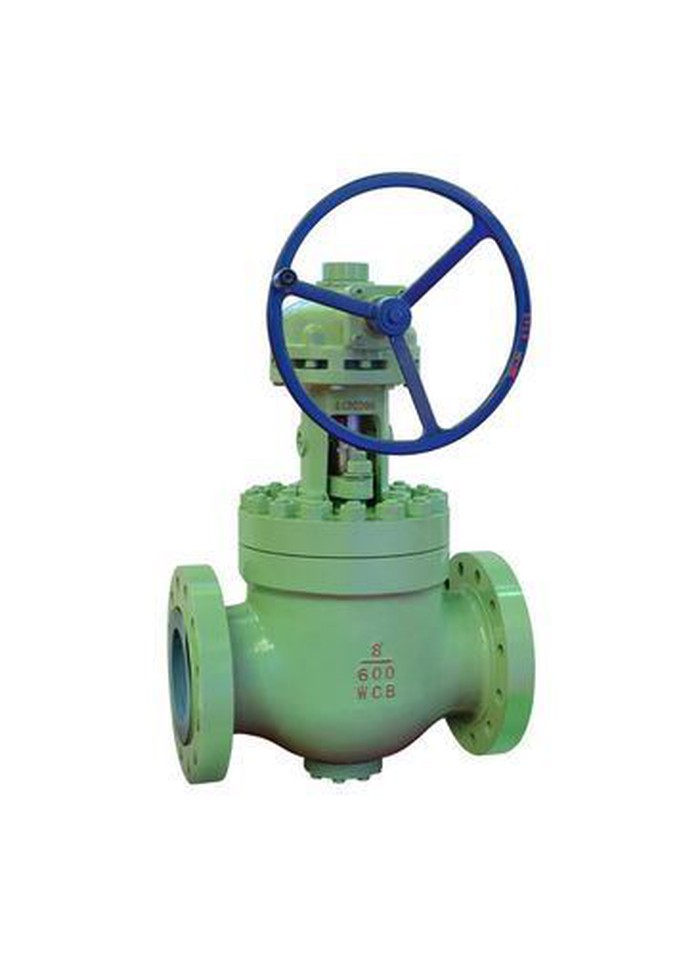
Graphite: Graphite seals in V-Type Ball Valves can withstand pressure ratings of up to 1000 psi (69 bar) or higher, depending on the seal design and material properties. Graphite seals offer good chemical resistance and self-lubricating properties.
Bronze: Bronze V-Type Ball Valves can have a maximum pressure rating of up to 1000 psi (69 bar) or higher, depending on the grade of bronze used. Bronze offers good mechanical properties and corrosion resistance.
Cast Iron: Cast iron V-Type Ball Valves can have a maximum pressure rating of up to 1000 psi (69 bar) or higher, depending on the grade of cast iron used. Cast iron offers moderate mechanical properties and corrosion resistance.
What are the installation considerations for V-Type Ball Valves
Installing V-Type Ball Valves requires careful consideration of several factors to ensure proper operation and performance. Here are some detailed installation considerations for V-Type Ball Valves:
Flow Direction: Before installation, it is important to ensure that the V-Type Ball Valve is oriented in the correct flow direction. The arrow on the valve body or label should indicate the direction of fluid flow. Installing the valve in the wrong direction may result in reduced performance or even damage to the valve.
Pipe Connections: The pipe connections of the V-Type Ball Valve should be properly sealed to prevent leaks. Threaded, flanged, or welded connections are common for V-Type Ball Valves, and the correct seals and gaskets should be used to ensure a tight seal.
Valve Mounting: The V-Type Ball Valve should be mounted firmly to prevent vibration and excessive stress on the piping system. Mounting brackets or supports can be used to secure the valve in place, depending on the installation environment.
Actuator Installation: If the V-Type Ball Valve is actuated (e.g., electric or pneumatic), the actuator should be installed correctly and in line with the manufacturer's instructions. Proper alignment and connection of the actuator to the stem of the valve are crucial for reliable operation.
Sealing Compatibility: The seals in the V-Type Ball Valve should be compatible with the fluid being handled. Different fluids may have different chemical properties that can affect the seals. Choosing seals that are suitable for the specific fluid helps prevent leaks and extends the service life of the valve.
Pressure Rating: The V-Type Ball Valve should be selected based on the system's pressure rating. Installing a valve with a lower pressure rating than the system may result in failure or reduced performance. It is important to choose a valve that can handle the maximum pressure of the piping system.
Temperature Resistance: The V-Type Ball Valve should also be able to withstand the operating temperature of the system. Installing a valve that is not rated for the temperature may cause damage or failure. Choosing a valve with the appropriate temperature resistance helps ensure reliable operation.
Regular Inspection: After installation, it is important to perform regular inspections of the V-Type Ball Valve to check for proper operation and leaks. Regular maintenance and inspection help prevent potential problems and extend the service life of the valve.
How do you choose the right size of V-Type Ball Valve for a particular application
Flow Rate Requirements: The first consideration is the flow rate of the fluid through the piping system. The size of the V-Type Ball Valve should be selected based on the maximum flow rate required. Larger valves can handle higher flow rates, but they may also be more expensive and require more space.
Pressure Drop Considerations: The size of the V-Type Ball Valve can affect the pressure drop across the valve. Smaller valves generally have lower pressure drops, but they may not be able to handle the required flow rate. It's important to balance the flow rate requirements with the acceptable pressure drop to ensure efficient fluid handling.
Valve Connections: The size of the V-Type Ball Valve should also match the size of the pipe connections. Using a valve that is too large or too small for the pipe connections may result in leaks or reduced performance. The pipe diameter should be considered when selecting the appropriate size of the valve.
System Pressure Rating: The size of the V-Type Ball Valve should be chosen based on the system's pressure rating. Installing a valve with a lower pressure rating than the system may result in failure or reduced performance. It is important to choose a valve that can handle the maximum pressure of the piping system.
Temperature Resistance: If the fluid being handled has a high temperature, the size of the V-Type Ball Valve should take into account the temperature resistance properties. Installing a valve that is not rated for the temperature may cause damage or failure. Choosing a valve with the appropriate temperature resistance helps ensure reliable operation.
Fluid Properties: The properties of the fluid being handled, such as viscosity and corrosivity, can also affect the size of the V-Type Ball Valve. Some fluids may require larger valves to ensure proper flow and prevent clogging.
Cost and Space Considerations: The size of the V-Type Ball Valve can have a significant impact on the cost and space requirements. Larger valves tend to be more expensive and may require more space for installation. Considering the cost and available space when selecting the appropriate size of the valve helps ensure economic and practicality.
How do V-Type Ball Valves compare to other types of ball valves in terms of cost
V-Type Ball Valves are a type of ball valve that features a unique V-shaped ball design. When compared to other types of ball valves, V-Type Ball Valves may have different cost implications depending on factors such as material, size, and application. Here's a more detailed comparison of V-Type Ball Valves and other types of ball valves in terms of cost:


V-Type Ball Valves: V-Type Ball Valves are generally more expensive than other types of ball valves due to their unique design and enhanced performance characteristics. The V-shaped ball design offers better control and sealing capabilities, making them suitable for applications that require precise fluid control. However, the higher cost of V-Type Ball Valves may be justified in certain situations where reliability and performance are crucial.
Other Ball Valves: Other types of ball valves, such as floating ball valves and trunnion-mounted ball valves, are generally less expensive than V-Type Ball Valves. These valve types are more common and widely available, and their manufacturing processes are relatively more straightforward. While they may not offer the same level of performance as V-Type Ball Valves, they can be a cost-effective solution for many general fluid control applications.
Material Considerations: The cost of V-Type Ball Valves and other ball valves can also vary depending on the material of construction. Stainless steel and other high-performance materials tend to be more expensive than carbon steel or brass. If the application requires corrosion resistance or high-temperature performance, the use of expensive materials may drive up the cost of the valve.
Specialty Applications: In certain specialty applications, such as high-pressure or cryogenic fluid control, V-Type Ball Valves may be the only suitable option. In these cases, the higher cost of V-Type Ball Valves may be justified due to their unique capabilities and performance characteristics.
What is the difference between a V-Type Ball Valve and a butterfly valve
V-Type Ball Valves and butterfly valves are both types of shut-off valves used to control the flow of fluid in a piping system. Here are some differences between V-Type Ball Valves and butterfly valves:
Design and Operation
V-Type Ball Valves feature a ball with a V-shaped profile that rotates within a valve body to control the flow of fluid. The ball has a through-hole in the center, and by rotating the ball, the flow can be opened or closed. Butterfly valves, on the other hand, have a disc-shaped blade that rotates within the valve body. The blade is mounted on a shaft and rotates 90 degrees to open or close the flow path.
Flow Characteristics
V-Type Ball Valves offer a more linear flow characteristic, as the ball provides a uniform and steady flow path. This results in less pressure drop and better flow control. Butterfly valves, however, may have a more non-linear flow characteristic, as the blade changes the flow path abruptly. This can lead to higher pressure drops and less precise flow control.
Sealing Mechanism
V-Type Ball Valves typically use soft seals, such as PTFE or Grafoil, to create a tight seal between the ball and the seat. These seals provide good sealing performance even in corrosive or high-temperature fluids. Butterfly valves may use soft seals or metal seals, depending on the application. Metal seals offer better temperature resistance but may have a higher coefficient of friction.
Pressure Rating
V-Type Ball Valves are available in higher pressure ratings, often up to 1000 psi (69 bar) or higher, depending on the design and material. Butterfly valves may have lower pressure ratings, especially in the range of 150 psi (10 bar) or less. Higher pressure ratings may require the use of a V-Type Ball Valve in certain applications.
Cost
V-Type Ball Valves are generally more expensive than butterfly valves due to their more complex design and enhanced performance characteristics. Butterfly valves are often more cost-effective and are suitable for applications where cost is a major consideration.
Application Specificity
V-Type Ball Valves are preferred in applications that require precise flow control, high pressure resistance, and corrosive fluid handling. Butterfly valves are more suitable for general fluid control applications, especially in low-pressure and moderate-temperature conditions.
Our Factory
Bergamo Valve has strong technical force, advanced production technology, stable quality, making contribution to the development of chemical, petroleum, our smelting, electric power industry. Over the years, always adhere to "quality first, reputation first, prompt delivery, and thoughtful service" purposes, products sell well all over the country, by the user praise. All products are used GB, HB, API, BS, DIN, JIS and other domestic and foreign advanced standards of production,according to the terms of use,users can choose different fluorine materials,also undertake various non-standard valves, equipment design and manufacture, anti-corrosion equipment will give your business to provide the ideal, so bring your business significant economic benefits.

FAQ
Q: Can a V type ball valve be automated?
Q: What is the difference between a full bore and reduced bore V type ball valve?
Q: What is the difference between a soft-seated and metal-seated V type ball valve?
Q: Can a V type ball valve be used for abrasive fluids?
Q: What is the difference between a single-piece and two-piece V type ball valve?
Q: Can a V type ball valve be used for both on/off and modulating applications?
Q: What is the difference between a manual and automated V type ball valve?
Q: What are the common sizes of V type ball valves?
Q: What are the applications of a V type ball valve?
Q: How does a V type ball valve work?
Q: What materials are V type ball valves made of?
Q: What are the different types of V type ball valves?
Q: What is the difference between a floating V ball valve and a trunnion-mounted V ball valve?
Q: What is a fully welded V ball valve?
Q: What is the pressure rating of a V type ball valve?
Q: What is the temperature range of a V type ball valve?
Q: What is the sealing mechanism in a V type ball valve?
Q: Can a V type ball valve be used for throttling applications?
Q: What is the maintenance procedure for a V type ball valve?
Q: How often should a V type ball valve be serviced?
Hot Tags: v type ball valve, China v type ball valve suppliers, manufacturers, factory, Rising Stem Ball Valve, , Cast Trunnion Mounted Ball Valve, , API 6D Fully Welded Ball Valve


