

A three - way ball valve is a highly versatile and useful component in various industrial and commercial applications. As a supplier of three - way ball valves, I have witnessed firsthand the numerous advantages these valves offer. In this blog, I will delve into the key benefits of three - way ball valves and explain why they are a top choice for many customers.
1. Versatile Flow Control
One of the most significant advantages of a three - way ball valve is its ability to provide versatile flow control. Unlike two - way valves that can only open or close a single flow path, a three - way ball valve can direct the flow of fluid in multiple directions. There are generally two main types of three - way ball valves: L - port and T - port.
An L - port three - way ball valve can divert the flow from one inlet to either of two outlets, or vice versa. This is extremely useful in applications where you need to switch between different flow paths. For example, in a heating system, an L - port valve can be used to direct hot water to either a radiator or a storage tank.
On the other hand, a T - port three - way ball valve allows for more complex flow patterns. It can mix fluids from two inlets into one outlet or split the flow from one inlet into two outlets. In a chemical processing plant, a T - port valve can be used to mix different chemicals in the correct proportions before sending them to the next stage of the process. This flexibility in flow control makes three - way ball valves indispensable in many industries.
2. Compact Design
Three - way ball valves typically have a compact design, which is a major advantage in applications where space is limited. Their relatively small size allows for easy installation in tight spaces, such as in machinery or in piping systems with limited clearance. This compactness also means that they require less support and mounting hardware compared to larger, more complex valve systems.
For example, in a marine engine room, where space is at a premium, a three - way ball valve can be installed in a small area to control the flow of coolant or lubricating oil. The compact design not only saves space but also reduces the overall weight of the system, which is crucial for ships and other marine vessels.
3. Quick Operation
Three - way ball valves offer quick and efficient operation. The ball inside the valve can be rotated 90 degrees to change the flow direction, which can be done manually or with the help of an actuator. This rapid operation is beneficial in applications where fast response times are required, such as in emergency shutdown systems or in processes where the flow needs to be adjusted quickly.
In a power plant, for instance, a three - way ball valve can be used to quickly divert the flow of steam in case of an emergency. The ability to make rapid flow changes can prevent damage to equipment and ensure the safety of the plant and its operators.
4. Low Pressure Drop
Pressure drop is an important consideration in fluid flow systems. A high pressure drop can lead to increased energy consumption and reduced system efficiency. Three - way ball valves are designed to have a relatively low pressure drop compared to other types of valves.
The smooth internal surface of the ball and the large flow passages in a three - way ball valve allow the fluid to flow through with minimal resistance. This means that less energy is required to pump the fluid through the valve, resulting in cost savings over the long term. In a water distribution system, for example, using three - way ball valves can help reduce the energy consumption of the pumps, leading to lower operating costs.
5. High Sealing Performance
Good sealing performance is essential for any valve to prevent leakage. Three - way ball valves are known for their excellent sealing capabilities. The ball in the valve is typically made of a hard and durable material, such as stainless steel or brass, and is machined to a high degree of precision. The valve seats are also designed to provide a tight seal against the ball.
This high - quality sealing ensures that there is minimal leakage of the fluid, even under high pressure and temperature conditions. In a gas pipeline system, for example, a three - way ball valve can prevent the leakage of natural gas, which is not only important for safety reasons but also for preventing environmental pollution.
6. Durability and Long Service Life
Three - way ball valves are built to last. They are constructed from high - quality materials that can withstand harsh operating conditions, such as high temperatures, pressures, and corrosive fluids. The robust design of the valve and its components ensures that it can operate reliably for a long time with minimal maintenance.
For example, in an oil refinery, where the valves are exposed to corrosive chemicals and high - pressure fluids, a three - way ball valve made of Stainless Steel Trunnion Ball Valve can provide long - term service without frequent replacements. This durability reduces downtime and maintenance costs for the plant.
7. Compatibility with Different Fluids
Three - way ball valves can be used with a wide range of fluids, including liquids, gases, and even slurries. By choosing the appropriate materials for the valve body, ball, and seats, the valve can be made compatible with different types of fluids.
For example, a valve with a PTFE (polytetrafluoroethylene) seat can be used with corrosive acids, while a valve with a metal seat can be used with high - temperature steam. This compatibility makes three - way ball valves suitable for a variety of industries, such as chemical, pharmaceutical, food and beverage, and water treatment.
8. Easy Maintenance
Maintenance is an important aspect of any valve system. Three - way ball valves are relatively easy to maintain. Most of the components of the valve can be easily accessed and replaced if necessary. In addition, the simple design of the valve means that there are fewer parts that can fail compared to more complex valve systems.
For example, if the valve seat becomes worn or damaged, it can be easily replaced without having to replace the entire valve. This ease of maintenance reduces downtime and maintenance costs for the end - user.
9. Cost - Effectiveness
When considering the overall cost of a valve system, three - way ball valves offer good value for money. Their initial purchase price is often competitive, and their long service life and low maintenance requirements result in lower total cost of ownership over time.
In addition, the energy savings achieved through their low pressure drop and the ability to prevent leakage can also contribute to cost savings. For a small - to - medium - sized manufacturing plant, choosing a three - way ball valve can be a cost - effective solution for fluid flow control.
10. Integration with Automation Systems
Three - way ball valves can be easily integrated with automation systems. They can be equipped with electric, pneumatic, or hydraulic actuators to enable remote operation and control. This integration is beneficial in modern industrial processes where automation and remote monitoring are becoming increasingly important.
For example, in a smart building management system, a three - way ball valve can be connected to a central control system to regulate the flow of heating or cooling water based on the temperature and occupancy of different zones in the building. This automation improves the efficiency of the system and reduces the need for manual intervention.
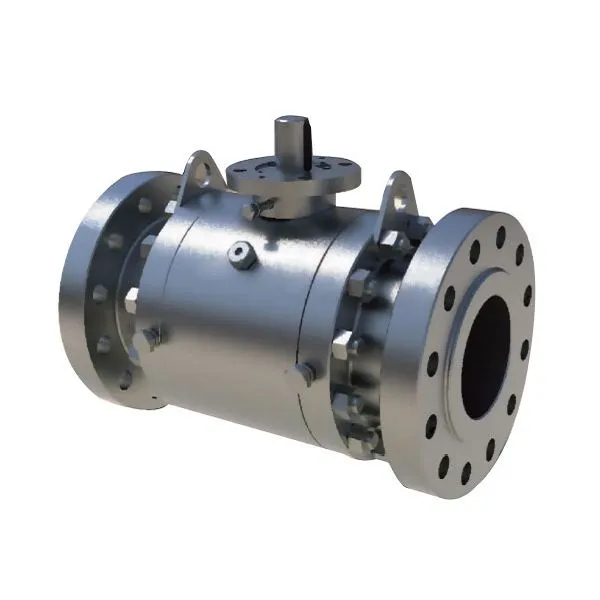

If you are looking for high - quality three - way ball valves or other related products such as Top Entry Cast Steel Ball Valve and Gas Fully Welded Ball Valve, we are here to help. Our team of experts can provide you with professional advice and customized solutions to meet your specific requirements. Contact us today to start a discussion about your procurement needs.
References
- Valve Handbook, 4th Edition, by Robert W. Fischer and David M. Stine
- Industrial Valves: Selection, Specification, and Installation, by Peter Spitzer
- Fluid Mechanics and Thermodynamics of Turbomachinery, 4th Edition, by S. L. Dixon and C. A. Hall


