

Is it safe to use an all welded ball valve in explosive environments?
In industries where explosive environments are a constant concern, such as oil and gas, chemical processing, and mining, the safety of equipment is of paramount importance. One crucial component in these settings is the valve, which controls the flow of fluids and gases. Among the various types of valves available, all welded ball valves have gained significant popularity. But the question remains: Is it safe to use an all welded ball valve in explosive environments?
As a leading supplier of all welded ball valves, we have extensive experience in providing solutions for industries operating in high - risk areas. Our team of experts has in - depth knowledge of the technical specifications and safety requirements of these valves.
The Structure and Design of All Welded Ball Valves
All welded ball valves are designed with a seamless body structure, achieved through welding processes. This design eliminates potential leakage points such as flange connections, which are common in traditional valves. The valve consists of a ball, which rotates to control the flow, and a stem that transfers the rotational motion from the actuator to the ball. The all - welded construction provides a high - integrity seal, reducing the risk of fluid or gas leakage.
The materials used in the construction of all welded ball valves also play a crucial role in their safety. High - quality stainless steel, carbon steel, or alloy steel are commonly used. These materials offer excellent resistance to corrosion, abrasion, and high pressures. For example, in offshore oil and gas platforms, where the valves are exposed to saltwater and harsh environmental conditions, stainless steel all welded ball valves are a preferred choice due to their corrosion resistance.
Safety Features for Explosive Environments
In explosive environments, the main safety concerns are the prevention of ignition sources and the containment of potentially explosive substances. All welded ball valves are designed to meet these requirements in several ways.
Firstly, the seamless design of all welded ball valves minimizes the risk of gas or vapor leakage. A small leak in an explosive environment can lead to the formation of a flammable mixture, which can be ignited by a spark or heat source. The all - welded construction provides a tight seal, preventing the escape of dangerous substances.
Secondly, the valves are often equipped with anti - static devices. These devices prevent the build - up of static electricity, which can act as an ignition source. For instance, when fluids or gases flow through the valve, friction can generate static charges. The anti - static devices ensure that these charges are safely dissipated, reducing the risk of explosion.
Thirdly, all welded ball valves can be designed to handle high pressures. In explosive environments, pressure surges can occur due to various factors such as pipeline blockages or sudden changes in flow rate. A valve that can withstand high pressures without failure is essential for preventing accidents.
Industry Standards and Certifications
To ensure the safety of all welded ball valves in explosive environments, they must comply with strict industry standards and certifications. For example, the International Electrotechnical Commission (IEC) has developed standards for electrical equipment used in explosive atmospheres, and many all welded ball valves with electrical actuators need to meet these requirements.
The American Petroleum Institute (API) also sets standards for valves used in the oil and gas industry. API 6D, for instance, specifies the requirements for pipeline valves, including all welded ball valves. Valves that meet these standards have undergone rigorous testing to ensure their performance and safety in harsh conditions.
Our company is committed to providing all welded ball valves that meet or exceed these industry standards. We have a comprehensive quality control system in place, from the selection of raw materials to the final inspection of the finished product. This ensures that our valves are reliable and safe for use in explosive environments.
Case Studies
Let's take a look at some real - world examples of how all welded ball valves have been used safely in explosive environments. In a large chemical processing plant, all welded ball valves were installed in the pipelines carrying flammable chemicals. These valves were designed to withstand high pressures and temperatures and were equipped with anti - static and fire - safe features. Over several years of operation, there were no reports of valve - related accidents or leaks, demonstrating the reliability and safety of these valves.
In an offshore oil rig, stainless steel all welded ball valves were used to control the flow of oil and gas. The valves were exposed to harsh marine conditions, including saltwater corrosion and high - pressure fluctuations. Thanks to their robust design and high - quality materials, the valves performed well, ensuring the safe operation of the rig.
Comparison with Other Valve Types
When considering valves for explosive environments, it is essential to compare all welded ball valves with other types of valves. For example, gate valves, which are also commonly used in industries, have a more complex structure with multiple moving parts. This can increase the risk of leakage and mechanical failure. In contrast, the simple design of all welded ball valves reduces the number of potential failure points.
Butterfly valves are another option, but they may not be as suitable for high - pressure applications as all welded ball valves. The disc in a butterfly valve can be more prone to damage under high pressures, which can lead to leakage and safety issues.

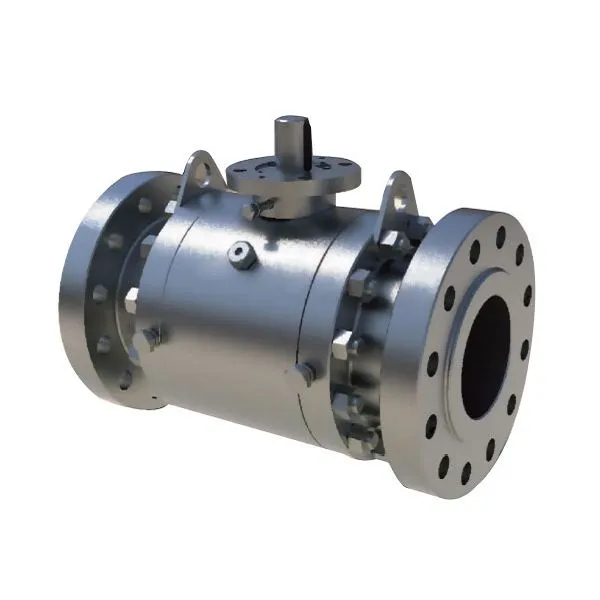
Our Product Range
As a supplier of all welded ball valves, we offer a wide range of products to meet the diverse needs of our customers. Our product line includes Three Way Ball Valve, which provides versatile flow control options. The three - way design allows for the diversion or mixing of fluids, making it suitable for complex industrial processes.
We also have Manual Forged Ball Valve, which is ideal for applications where manual operation is preferred. These valves are forged for high strength and durability, ensuring reliable performance in explosive environments.
In addition, our Stainless Steel Trunnion Ball Valve is designed for high - pressure and high - temperature applications. The trunnion design provides additional support to the ball, reducing the operating torque and enhancing the valve's performance.
Conclusion
In conclusion, all welded ball valves are a safe and reliable choice for use in explosive environments. Their seamless design, safety features, compliance with industry standards, and proven performance in real - world applications make them well - suited for industries where safety is a top priority.
If you are in the market for all welded ball valves for your explosive environment applications, we encourage you to contact us for a consultation. Our experienced team can help you select the right valve for your specific needs, ensuring the safety and efficiency of your operations. You can have a procurement discussion with us to find the best valve solutions for your business.
References
- IEC standards for electrical equipment in explosive atmospheres
- API 6D standard for pipeline valves
- Industrial valve engineering handbooks


