

Troubleshooting a malfunctioning Double Block and Bleed (DBB) ball valve is a critical skill for industries reliant on fluid control and safety. As a trusted DBB ball valve supplier, we understand the significance of a well - functioning valve in maintaining operational efficiency and safety. In this blog, we will guide you through the process of troubleshooting these valves, ensuring you can diagnose and resolve issues promptly.
Understanding the Basics of DBB Ball Valves
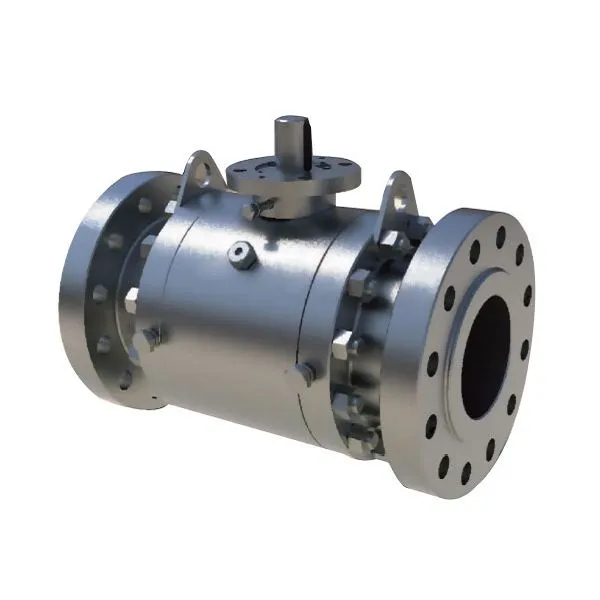
Before delving into troubleshooting, it's essential to understand what a DBB ball valve is. A DBB ball valve is designed to provide a positive double isolation and bleeding function. It has two ball valves in a single body, with a bleed port between them. This configuration allows the operator to isolate the process fluid from both sides and bleed any trapped fluid between the two valves.
Common applications of DBB ball valves include oil and gas production, chemical processing, and power generation. These valves are crucial for preventing cross - contamination, maintenance safety, and controlling the flow of dangerous or valuable fluids.
Preliminary Checks
When a DBB ball valve malfunctions, the first step is to conduct a series of preliminary checks.
Visual Inspection
- Examine the valve body: Look for any signs of physical damage such as cracks, dents, or corrosion. Cracks in the valve body can lead to fluid leakage and compromise the integrity of the valve.
- Check the connections: Inspect all the flanges, bolts, and nuts. Loose connections can cause leaks. Make sure all bolts are tightened to the manufacturer's recommended torque specifications.
- Verify the position of the valve: Ensure that the valve is in the correct position (open or closed). Sometimes, a simple misalignment can cause issues. You can use the valve's indicator or actuator position markings to confirm.
Actuator Inspection
- Check the actuator type: DBB ball valves can be actuated manually, pneumatically, hydraulically, or electrically. If it's a manual valve, ensure that the handwheel or lever can be turned smoothly. For powered actuators, check the power supply (electrical or pneumatic) connections.
- Look for signs of actuator damage: Pay attention to any visible wear on the actuator components such as gears, pistons, or diaphragms. A damaged actuator may not be able to operate the valve correctly.
Instrumentation Inspection
- Check pressure gauges and sensors: If the valve is equipped with pressure gauges or sensors, verify their readings. Abnormal pressure readings can indicate a problem within the valve or the pipeline system.
- Inspect the control system: For valves that are controlled by a central system, make sure the control signals are being sent and received correctly. Any faults in the control system can lead to improper valve operation.
Identifying Common Malfunctions and Solutions
Leakage
Leakage is one of the most common problems with DBB ball valves. It can occur at different locations, such as the valve body, stem, or connections.
- Leakage from the valve body: As mentioned in the visual inspection, cracks in the valve body can cause leakage. If a crack is detected, the valve may need to be replaced. In some cases, minor leaks can be temporarily sealed with appropriate sealants, but this is only a short - term solution.
- Stem leakage: Stem leakage is often due to worn - out stem seals. To fix this, you can replace the stem seals following the manufacturer's instructions. Make sure to use the correct type and size of seals.
- Connection leakage: Loose or damaged flanges, gaskets, or bolts can cause connection leakage. Tighten the bolts to the correct torque. If the gasket is damaged, replace it with a new one. For more information on high - quality ball valves that can reduce the risk of leakage, you can visit our Stainless Steel Trunnion Ball Valve page.
Difficulty in Operation
If the valve is difficult to open or close, several factors could be the cause.
- Debris accumulation: Over time, debris such as dirt, sand, or scale can accumulate inside the valve cavity, preventing the ball from rotating smoothly. To solve this problem, you can disassemble the valve and clean all the internal components. Use a suitable cleaning agent and ensure that all debris is removed.
- Seat damage: Damaged valve seats can also cause difficulty in operation. The seats can be damaged due to wear, corrosion, or the presence of foreign objects. In this case, the seats may need to be replaced. Some of our high - performance valves, like the Orbit Ball Valve/rising Stem Ball Valve, are designed with durable seats to minimize such issues.
- Incorrect installation: If the valve was not installed correctly, it may bind or not operate properly. Check the installation guidelines and ensure that the valve is installed in the correct orientation and alignment.
Incorrect Pressure or Flow Control
- Worn ball or seats: A worn ball or seats can cause inaccurate pressure or flow control. The reduced sealing performance can lead to bypassing of fluid, affecting the overall flow and pressure regulation. Replace the worn ball and seats with new ones.
- Misaligned actuator: If the actuator is not properly aligned with the valve, it may not be able to control the valve movement accurately. Adjust the actuator alignment to ensure proper operation.
Advanced Troubleshooting
In some cases, the problem may not be easily identified through the above steps. This is where advanced troubleshooting techniques come in.
Non - destructive Testing
Non - destructive testing (NDT) methods such as ultrasonic testing, magnetic particle testing, or radiographic testing can be used to detect internal defects in the valve body or components. These tests can identify cracks, voids, or other hidden flaws that may not be visible during a visual inspection.

Performance Testing
If possible, conduct performance testing on the valve. This can involve measuring the flow rate, pressure drop, and leakage rate under specific operating conditions. Compare the test results with the valve's design specifications. Any significant deviations can indicate a problem that needs to be addressed.
Consultation with Experts
If you are unable to diagnose or resolve the problem on your own, don't hesitate to consult with our technical experts. We have a team of experienced engineers who can provide in - depth analysis and solutions based on the specific situation of your valve.
Preventive Maintenance
To minimize the occurrence of valve malfunctions, preventive maintenance is crucial.
- Regular cleaning and lubrication: Keep the valve clean and lubricate the moving parts regularly. This can prevent the accumulation of debris and reduce friction, extending the valve's service life.
- Scheduled inspections: Conduct periodic inspections of the valve to detect any potential problems early. Follow the manufacturer's recommended inspection intervals.
- Training for operators: Ensure that your operators are properly trained on the correct operation and maintenance of DBB ball valves. This can reduce the risk of human - error - related malfunctions.
Conclusion
Troubleshooting a malfunctioning DBB ball valve requires a systematic approach, from preliminary checks to advanced techniques. By understanding the common problems and their solutions, and implementing preventive maintenance measures, you can ensure the reliable operation of your valves. As a trusted DBB ball valve supplier, we offer a wide range of high - quality valves, including the Top Entry Ball Valve. If you are experiencing issues with your valves or are looking to purchase new ones, don't hesitate to contact us for further assistance and to discuss your procurement needs. We are committed to providing you with the best solutions for your fluid control requirements.
References
- Valves - Handbook for Selection, Installation and Maintenance, by Valve Manufacturers Association.
- Ball Valve Technology and Applications, by International Society of Automation.


