

Hey there! As a supplier of Trunnion Ball Valves, I've seen firsthand how important it is for these valves to have good vibration resistance. Vibration can cause all sorts of problems, like loosening parts, increasing wear and tear, and even leading to valve failure. So, in this blog, I'm gonna share some tips on how to improve the vibration resistance of a trunnion ball valve.
1. Choose the Right Materials
The materials used in the construction of a trunnion ball valve play a huge role in its vibration resistance. High - strength materials are a must. For example, stainless steel is a great choice. A Stainless Steel Trunnion Ball Valve offers excellent corrosion resistance and high mechanical strength. This means it can better withstand the forces caused by vibration without deforming or breaking.
Carbon steel is another common material. It's strong and relatively inexpensive. However, it may require proper coating to prevent corrosion, especially in harsh environments. When choosing materials, also consider the compatibility with the fluid flowing through the valve. Some chemicals can react with certain metals, weakening the valve's structure over time and reducing its vibration resistance.
2. Optimize the Design
A well - designed trunnion ball valve is more likely to resist vibration. First of all, the trunnion design itself helps distribute the load evenly. The trunnion, which is a small shaft that supports the ball, reduces the stress on the valve seats and stem. This makes the valve more stable and less prone to vibration - induced damage.
The shape and size of the valve body also matter. A compact and well - balanced design can minimize the effects of vibration. For instance, valves with a streamlined body can reduce turbulence in the fluid flow, which in turn reduces the vibration generated by the flow. Additionally, the internal components, such as the ball and seats, should be precisely machined to ensure a tight fit. A loose fit can lead to rattling and increased vibration.
3. Proper Installation
You can have the best - designed and highest - quality valve, but if it's not installed correctly, its vibration resistance will be compromised. Make sure the valve is installed in a straight section of the pipeline. Avoid installing the valve near elbows, tees, or other flow - disturbing elements. These elements can cause uneven fluid flow and create vibrations that can transfer to the valve.
Use proper mounting brackets and supports. The valve should be securely fastened to the pipeline to prevent movement. Flexible connectors can be used to isolate the valve from the vibrations of the pipeline. These connectors absorb some of the vibration energy and prevent it from reaching the valve. When installing the valve, also pay attention to the alignment. Misaligned valves can cause additional stress on the components, increasing the risk of vibration - related damage.
4. Regular Maintenance
Maintenance is key to keeping a trunnion ball valve's vibration resistance at its best. Regularly inspect the valve for signs of wear, corrosion, or damage. Check the fasteners, such as bolts and nuts, to make sure they are tight. Loose fasteners can cause the valve to vibrate more and can also lead to parts coming loose.
Lubricate the moving parts, like the stem and bearings, as recommended. Proper lubrication reduces friction and wear, which can help maintain the valve's smooth operation and vibration resistance. Replace any worn - out components promptly. A damaged seat or ball can cause uneven flow and increased vibration. Also, clean the valve regularly to remove any debris or deposits that could affect its performance.
5. Dampening Techniques
There are various dampening techniques that can be applied to improve a trunnion ball valve's vibration resistance. One common method is to use vibration - dampening pads or gaskets. These pads are placed between the valve and its mounting surface or between different components of the valve. They absorb the vibration energy and convert it into heat, reducing the amplitude of the vibration.
Another option is to use hydraulic or pneumatic dampeners. These devices can be connected to the valve and are designed to counteract the vibration forces. For example, a hydraulic dampener can adjust the pressure in response to the vibration, providing a stabilizing force.
6. Control the Fluid Flow
The characteristics of the fluid flowing through the valve can have a significant impact on its vibration resistance. High - velocity fluid flow can generate more vibration. Try to control the flow rate within the recommended range for the valve. This can be achieved by using flow control devices, such as regulators or throttling valves.
The viscosity of the fluid also matters. Highly viscous fluids can cause more drag and turbulence, leading to increased vibration. In such cases, consider using a valve with a larger flow area or a design that is more suitable for high - viscosity fluids. Additionally, the presence of air or gas bubbles in the fluid can also cause vibration. Remove any air pockets from the system to reduce this type of vibration.
7. Consider the Operating Environment
The environment in which the trunnion ball valve operates can greatly affect its vibration resistance. In industrial settings, there may be other sources of vibration, such as nearby machinery or equipment. Isolate the valve from these external vibration sources as much as possible. You can use vibration - absorbing materials or barriers around the valve.
Temperature variations can also impact the valve's performance. Extreme temperatures can cause the materials to expand or contract, which can affect the fit of the components and increase vibration. In high - temperature environments, use materials that can withstand the heat without losing their strength. In cold environments, make sure the valve is properly insulated to prevent freezing and cracking.
8. Testing and Quality Assurance
Before installing a trunnion ball valve, it's important to test its vibration resistance. Manufacturers should conduct vibration tests during the production process. These tests simulate the real - world operating conditions and help identify any potential issues with the valve's design or construction.

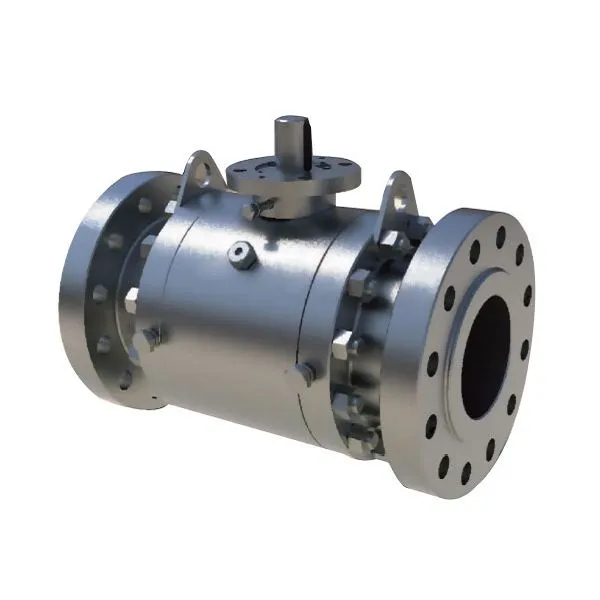
Quality assurance measures should also be in place throughout the manufacturing process. This includes strict quality control of the materials, precise machining of the components, and thorough inspection of the finished valve. By ensuring high - quality production, you can be more confident in the valve's ability to resist vibration.
If you're in the market for a trunnion ball valve with excellent vibration resistance, we've got you covered. We offer a wide range of trunnion ball valves, including Manual Fully Welded Ball Valve and Manual Forged Ball Valve. Our valves are designed and manufactured with the latest technology and highest - quality materials to ensure optimal performance and vibration resistance. If you have any questions or are interested in purchasing our valves, feel free to reach out to us for a detailed discussion about your specific requirements.
References
- Valve Handbook: A Guide to Valve Selection, Design, and Application
- Pipeline Fluid Mechanics: Principles and Practice
- Industrial Valve Technology: Design, Operation, and Maintenance


